

Grew up by the Pacific in Puerto Vallarta and shoots between Mexico City, California and Chicago.
Who are you, and how has the work been going?
First of all, thank you for having me. I’ve read your interviews and discovered some really inspiring work by photographers I didn’t know about, so I’m grateful for the opportunity.
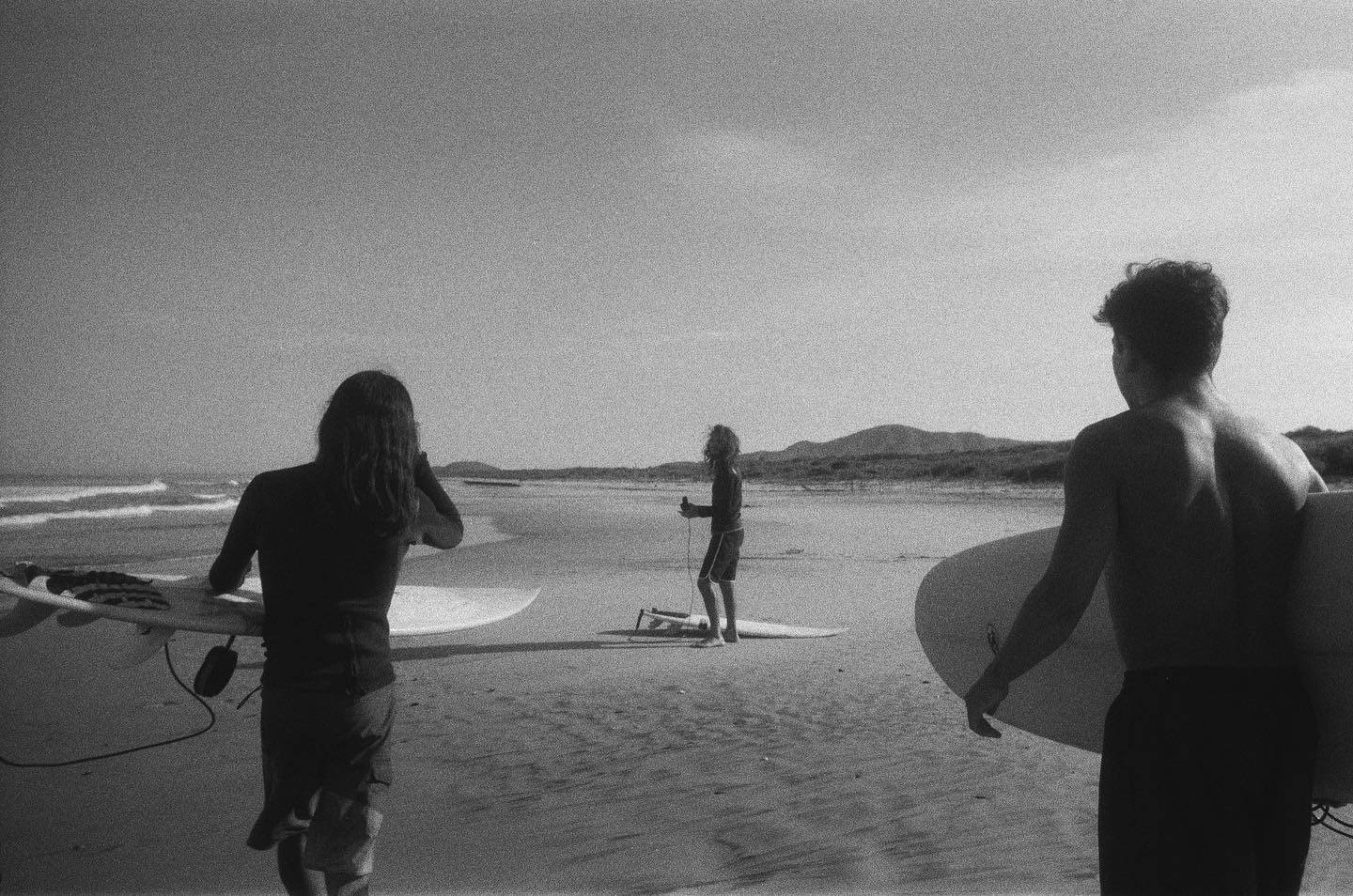
My name is Eduardo and I’m 26. I was born and raised in Puerto Vallarta, a Mexican beach town on the Pacific, on the Bahía de Banderas. The place has been a huge inspiration in my career; living by the sea, and by the spots where I have made some of my most memorable images. I’m a freelance photographer so I travel back and forth, especially to Mexico City, California and Chicago. I try to stay busy, because sometimes I find myself with a lot of spare time between assignments, which does give me room for personal projects.
How did you discover photography?
My love affair with photography started early, on family trips, where I was the one in charge of taking pictures of my relatives, often with film cameras. Even then I felt a responsibility to deliver decent-looking photographs.
In my teens I met a girl, around the time the first iPhones came out, and we were both into taking photos with all sorts of apps, filters and so on — really just experimenting. Eventually it turned into something more serious, so one afternoon I picked up my dad’s film camera, the one he used on his trips, and we went out to shoot. I remember we had a lot of fun. We took the roll to the only lab in town, and when the pictures came back we were surprised at how good the colours were, at least by the standards I had then. One photo in particular stood out; she ended up using it for a school project. I wish I still had the negative.
From then on I started buying cameras with my savings. I got a video camera to film my friends skateboarding, then a digital camera with a 50mm lens, then a fisheye, and I got more and more into it. By the time I was 18 I was published in skate magazines and on websites, and I got good feedback on the work I was making. I never really turned the switch off after that.
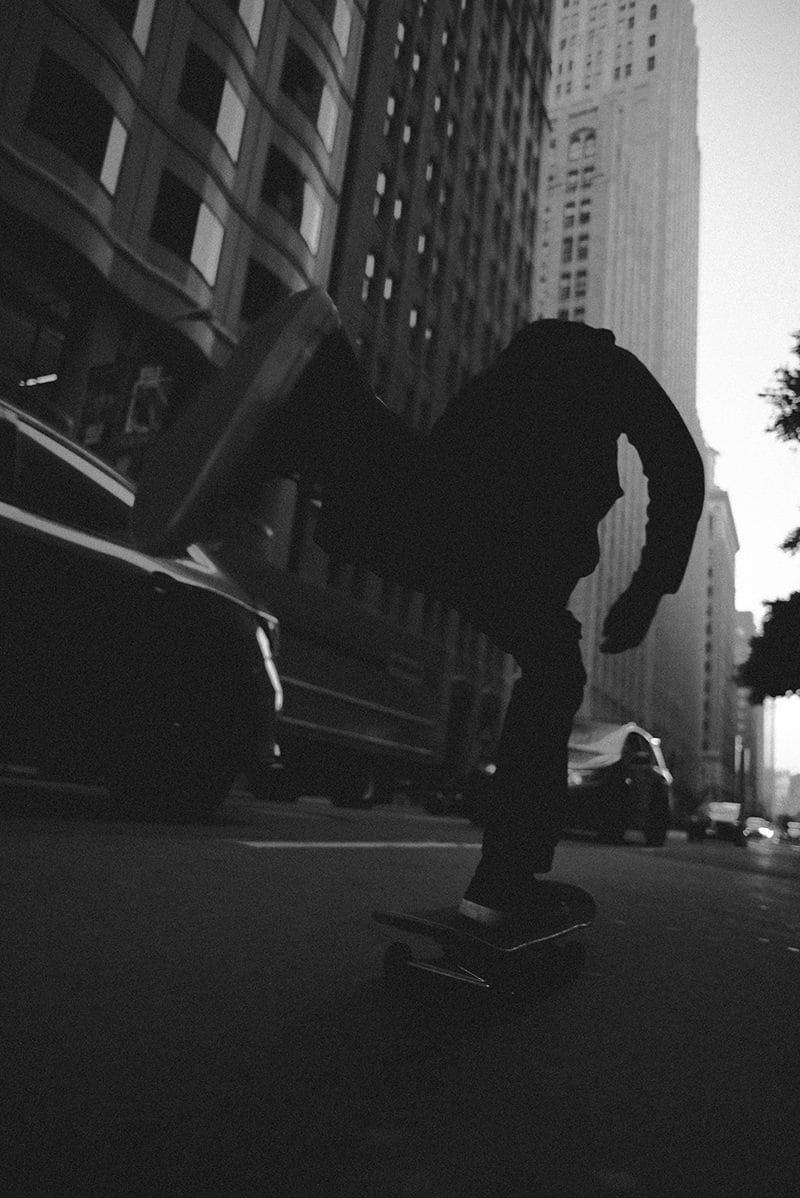
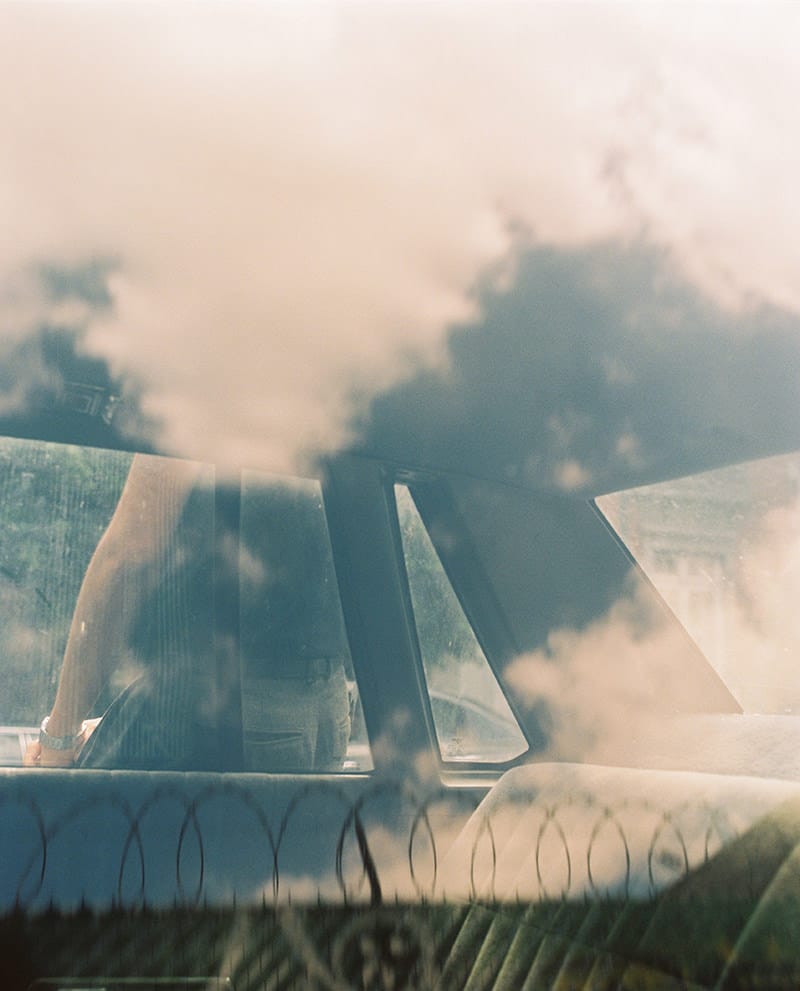
Do you only shoot film? What do you make of film in a digital world?
I’ve always thought that whatever medium suits your workflow is the best one, whether that’s film, digital or a phone. As long as it gets the work done. Especially now that film has become so expensive: even I have found myself coming back to digital for personal work, and enjoying it more than before. All my work on Instagram has been shot on film since 2019, and I mainly use digital for commercial projects and editorial shoots.
Do you have a favourite camera and film stock?
After trying many, I’d say my favourite camera is the Nikon F2. I’ve taken it everywhere and it has never failed me. I’ve shot with it in snow, in rain, in a sandstorm, and I haven’t even had it serviced. It’s still going. It feels reliable, even though it’s bulky and fairly heavy; whenever I need to get the shot, that’s the camera I can count on.
As for film, if I had to pick two stocks for the rest of my life they would be Portra 800 and Ilford HP5 for black and white. As I said, film has become so overpriced that these days I use whatever I can get hold of. Lately I’ve been experimenting a lot with motion picture film, like Kodak Vision3 500T.
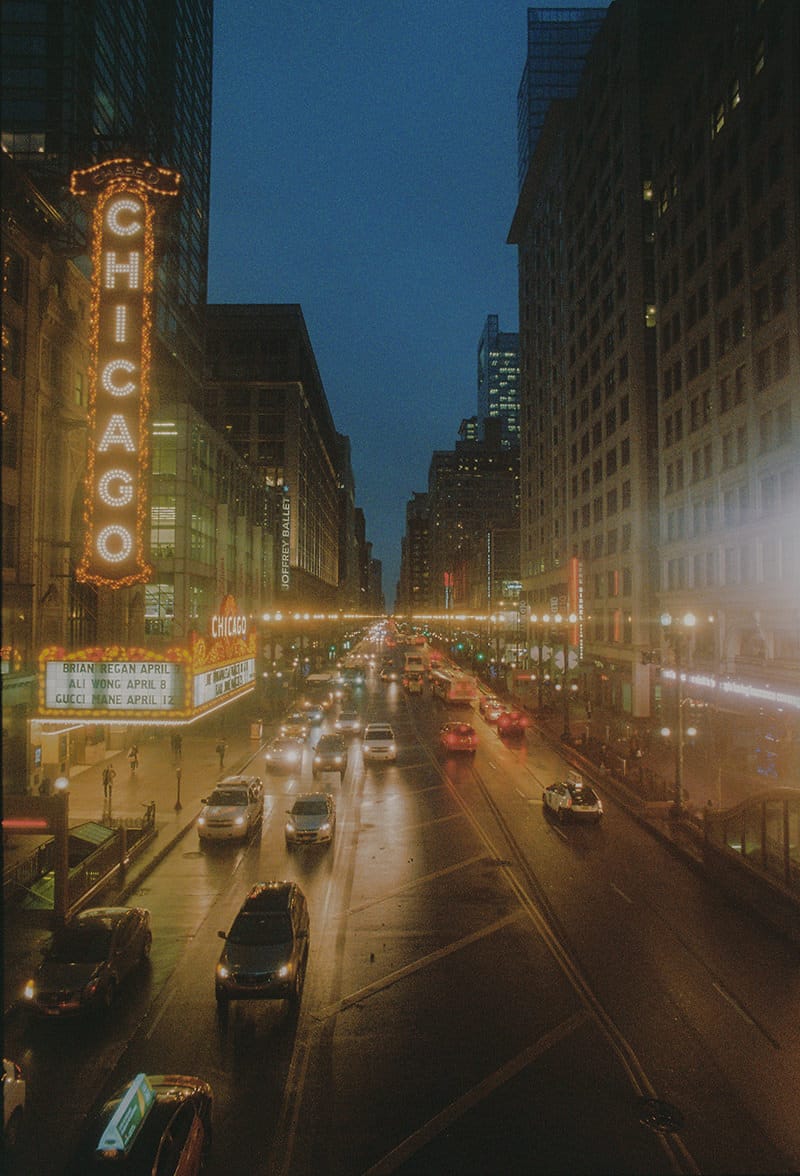
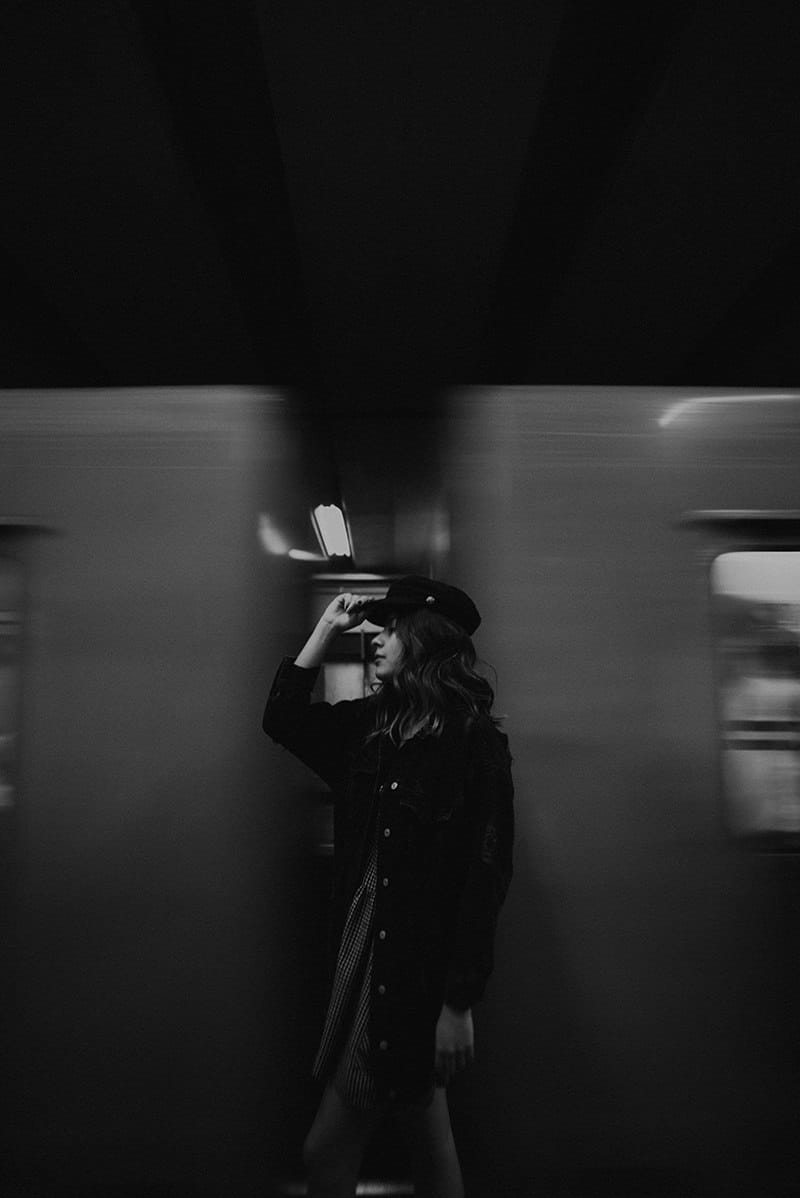
What does a typical day look like?
I don’t consider myself a routine sort of person. Each day is like a canvas that can be full of brushstrokes or left blank.
Here in my home town I’d normally wake up, have breakfast with my family and get on with the day, whether that means spending the whole evening editing photos and videos, or writing and reading at my desk. Depending on how it goes I might go out, visit a beach to take some photos, or see friends, have dinner, and sometimes develop my own film at night.
Mexico City is a whole different story: there my days are fully scheduled, certainly coffee in the morning and drinks at night to take the edge off the rush.
Either way, I’m always trying to make the most of my days.
Which moments in your life shaped the way you photograph?
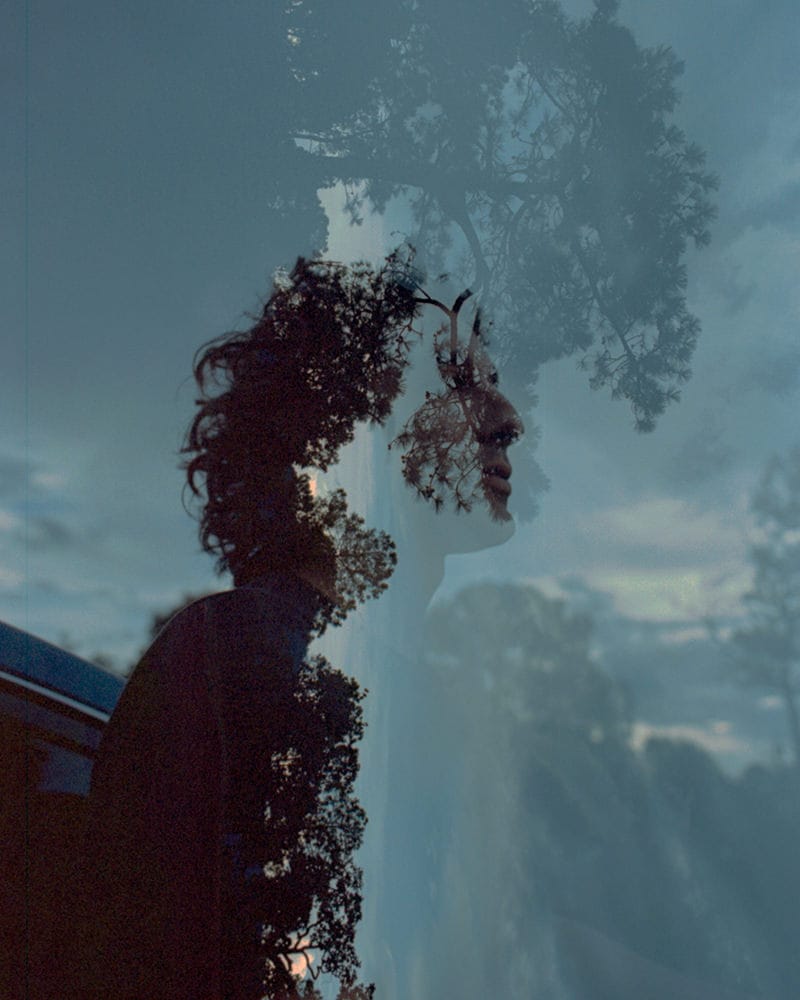
While I was studying visual arts at college there was a pivotal moment, on a trip to San Francisco. I got the chance to attend a Hasselblad workshop and to experiment with lighting equipment, medium format cameras and professional models. I was the youngest in the room and felt intimidated by the older folks, but they were all so generous and shared a lot of knowledge with me. That morning I learned more than I had in a whole year at college, so when I got home I quit school.
Every trip I’ve taken, every person I’ve met, every experience good or bad has shaped me into where I am now, and I’m grateful for that.
Pick one photograph and tell us the story behind it.
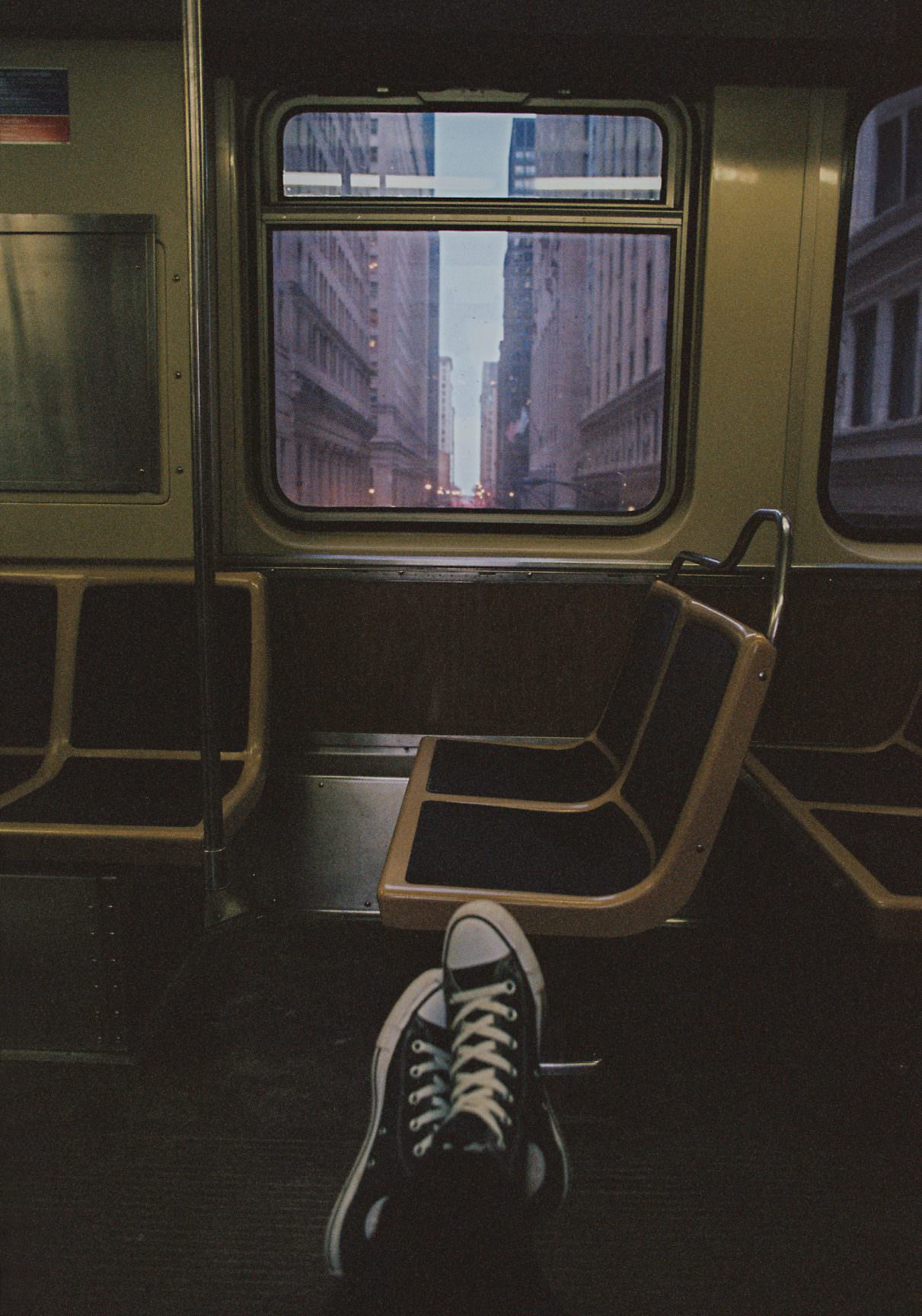
This is one of the most rewarding photographs I’ve made. It was a cold evening in Chicago and I was walking around, out of inspiration and burnt out. I couldn’t find anything to shoot, so I hopped on a train hoping to get something out of it, and I stepped into an empty carriage. I sat across from the unoccupied seats, watching the windows and the concrete canyons going past, and I took five or six shots. This one turned out exactly as I had imagined it: the vantage point perfectly aligned with the window, everything right on the spot, and I wasn’t even expecting it.
That day I understood what Matisse meant: some days you can’t wait for the bolt of inspiration to strike, you just have to get out there and do the work, and in the process something might come of it.
Where does your inspiration come from, and is there a photographer you’d like us to interview?
You’d be surprised, or maybe not, to know that most of what I consider my best work has been anxiety-driven, or has come out of strong emotions.
I really do try to use feelings as a tool when I’m creating, and I think that shows in the images. Some people in my life have also inspired me to be a better version of myself. And of course cinema is a huge inspiration, as are music, poetry and painting. Whenever I get the chance to visit a museum I try to absorb it all; I’ll spend hours with the work of the greatest minds.
It would be good if you could interview Pia Riverola (@piariverola). She shoots very colourful, atmospheric scenes full of detail. I love her style and I’d like to know more about her process.
What’s next?
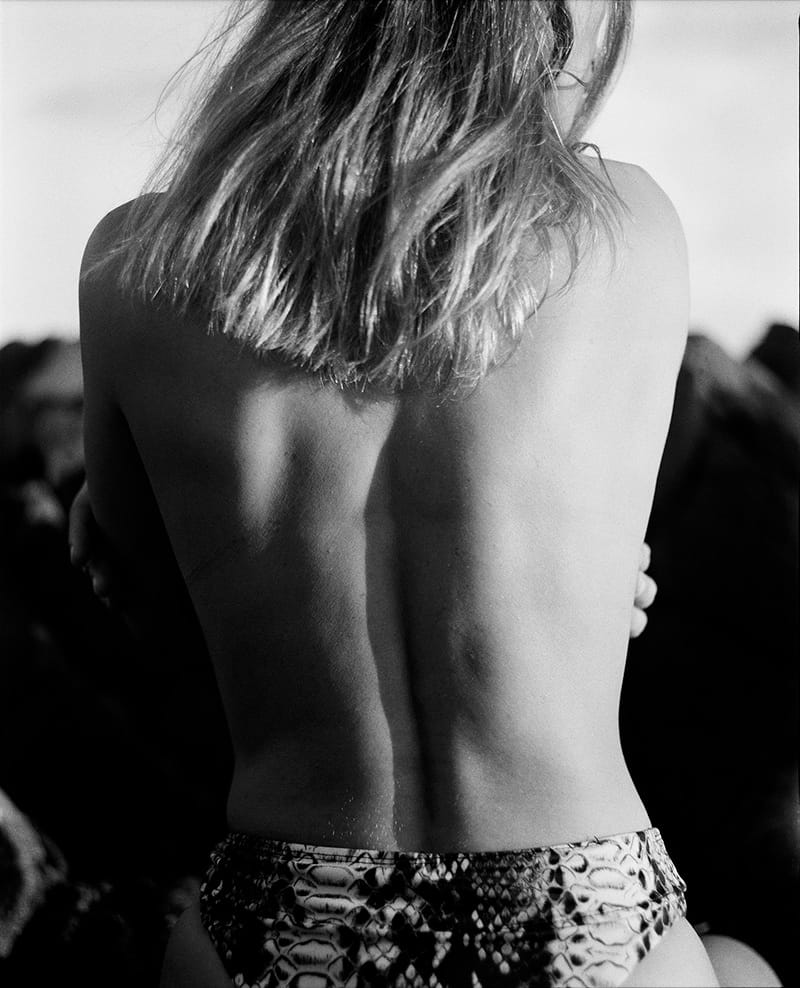
I’m working on a photo book shot entirely on film. I want to release it this year or next; it depends on a lot of factors, but it’s the biggest personal project I’ve taken on.
I’m also getting more into directing and cinematography, so I’ve been working on some short films and experimenting with my Super 8 camera. Really just letting myself go wherever the work takes me.


