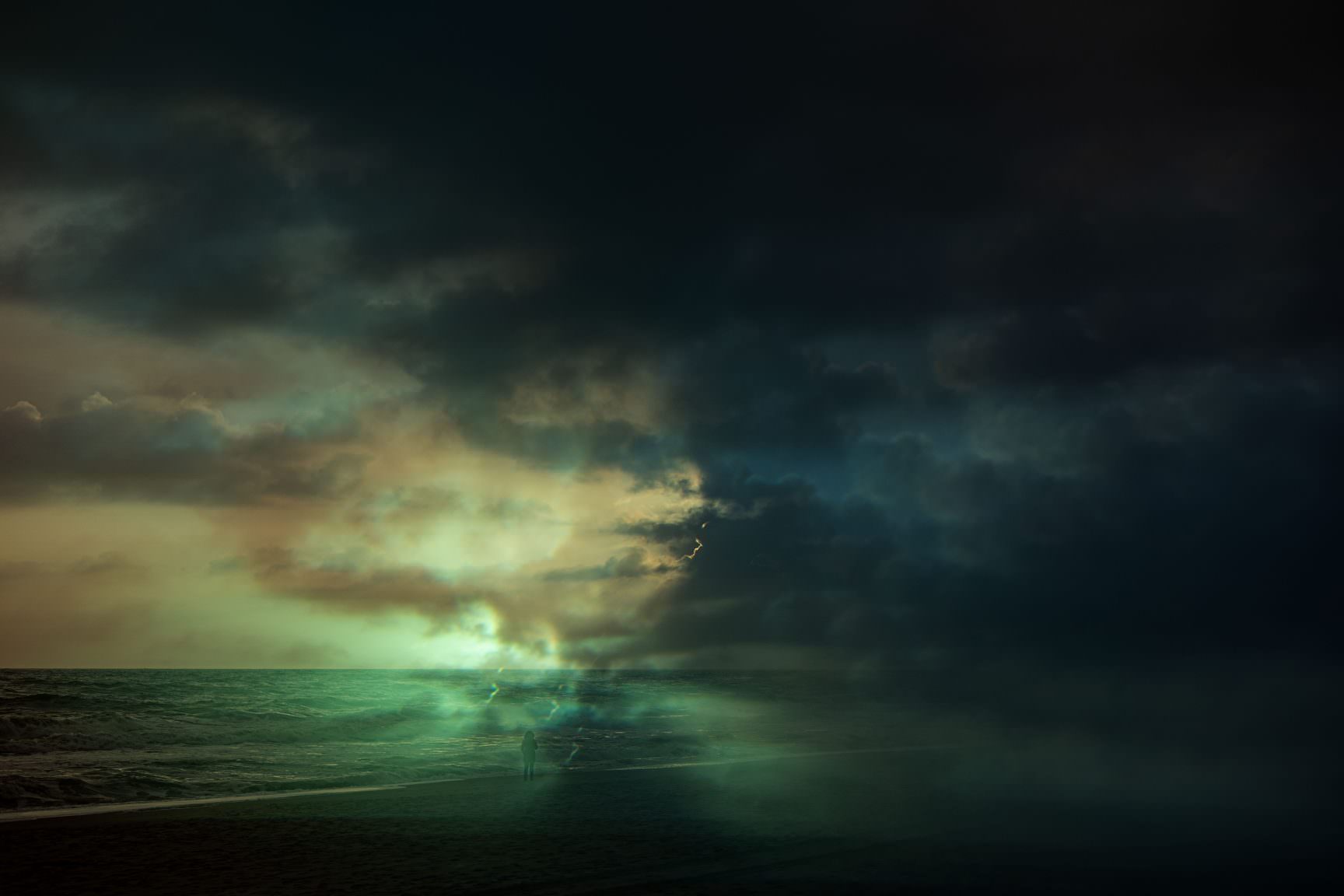
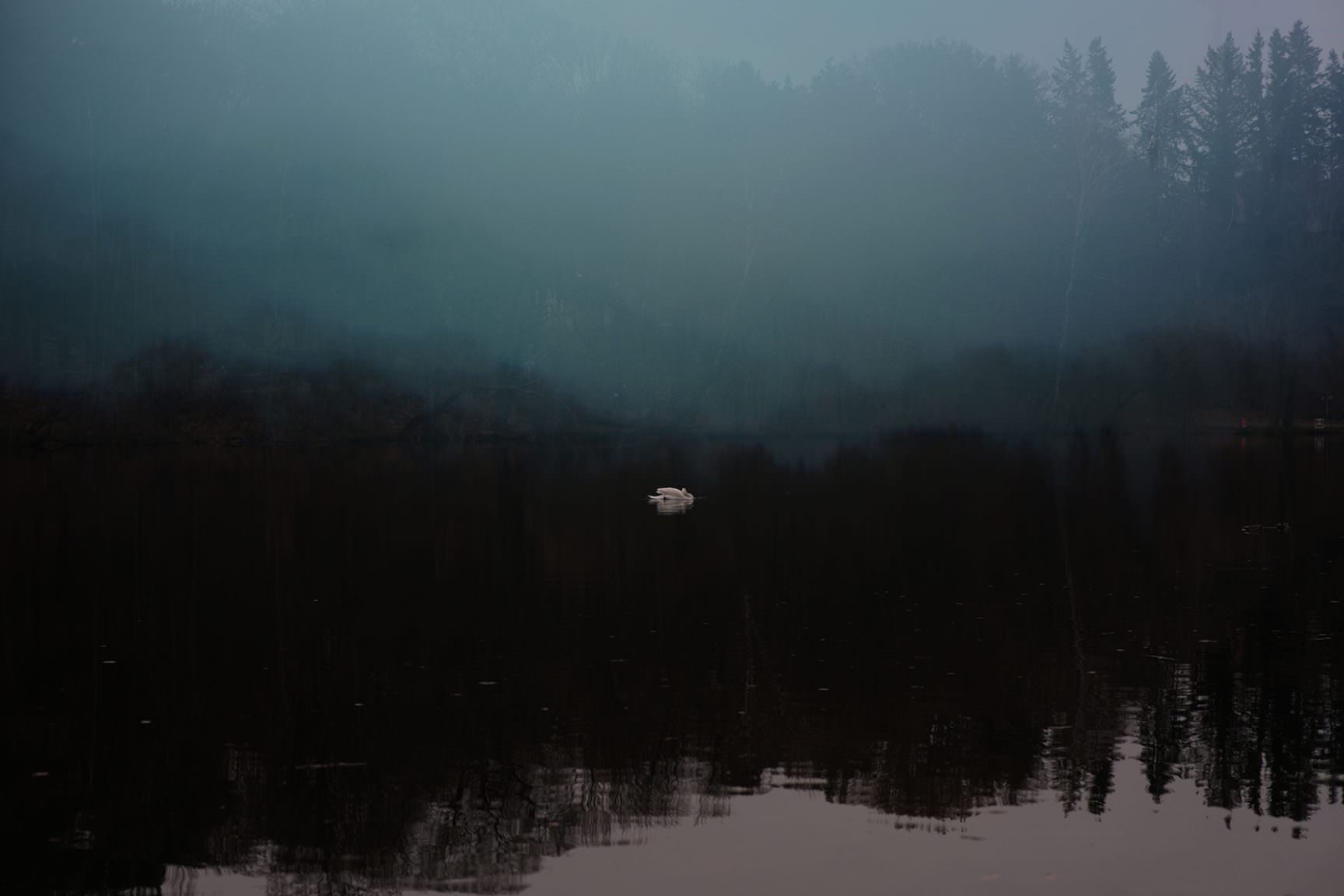
Leaves Berlin for the North Sea to make images that sit between memory and dream.
There is very little written about you. Who are you?
I’m 34 and I’ve lived in Berlin since I was 20. I grew up on the North Sea coast, in a small town. I like life in the big city, but I go back regularly: I love the minimal landscape of the Wadden Sea, and I need that space, where my eyes and my mind can rest. Most of my pictures are made when I drive out of Berlin, into nature. I came here to study, and then worked for many years with people with learning disabilities. I’m fascinated by the fact that every single person lives in a reality entirely their own — and the stranger that reality looks, the more interesting I find it.
When did you start, and what does photography give you that nothing else does?
I started taking photos as a child. I was always fascinated by being able to put the things and people in my life onto paper. My family photographed a lot, so I grew up with it: at first I was allowed to borrow my mother’s analogue camera, but I soon got my own and photographed everything that seemed important to me. The aim was, and still is, to capture memories. I have a cabinet of pictures from my life, and at some point I want to be 90 and look at them. I’m looking forward to it. Then I discovered experimental photography, which became my passion. And yes, it is definitely a channel for expressing myself. It’s also my counterweight to an over-stimulating everyday life: when I take or edit pictures I am completely with myself, and my inner world, which gets jumbled in daily life, falls back into place.
Do you make a living from photography?
I earn something from photography, but I also have another job in social care that matters a great deal to me, because photography and art have to stay independent. If my living depended on my art, I don’t think I would enjoy it any more. Photography is something I want to be completely free in.
You mostly shoot film. What is your process?
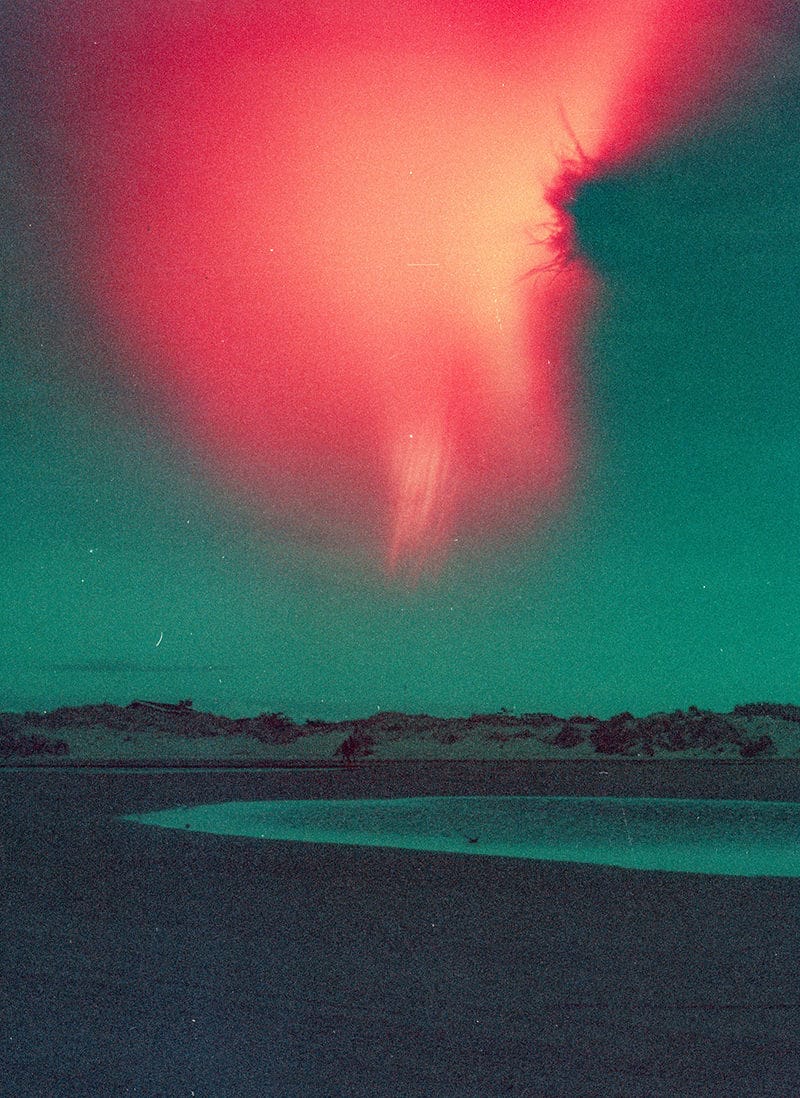
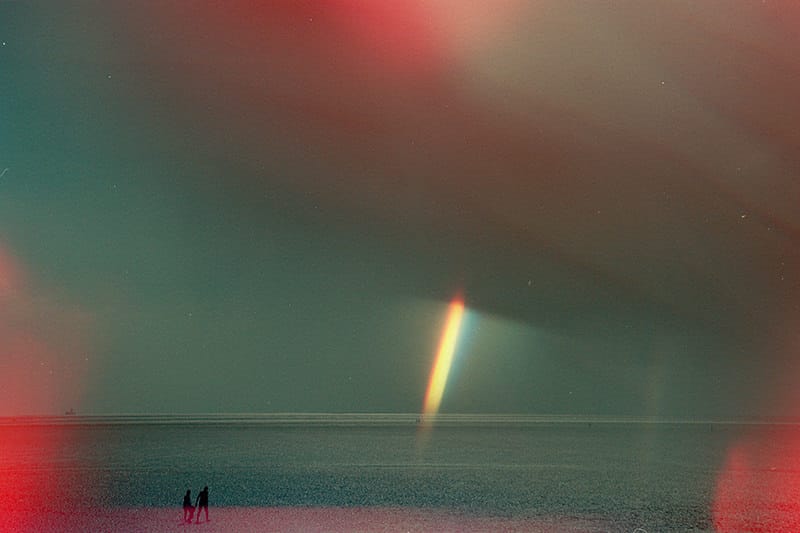
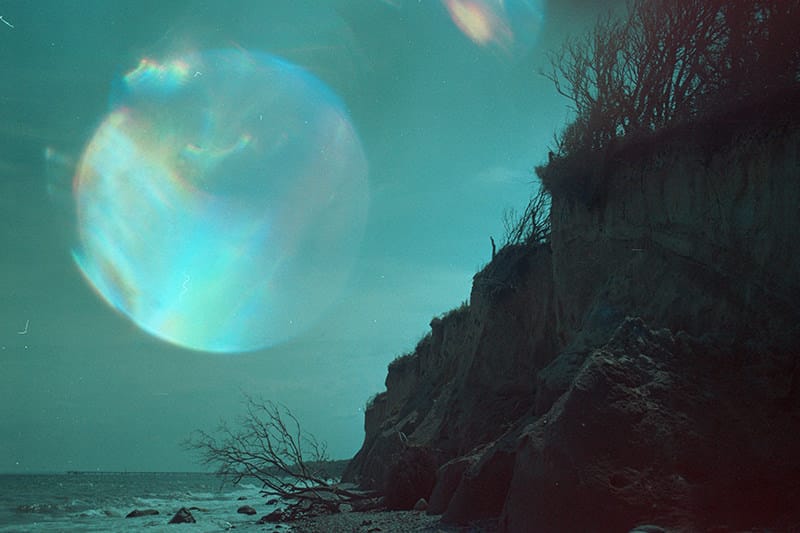
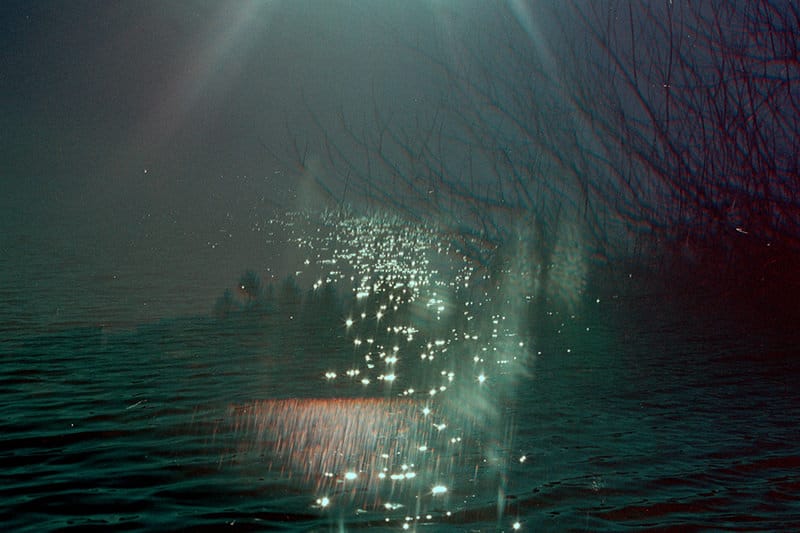
At the moment I’m even rediscovering digital: I like how minimal and sterile it is. But I love the warmth and the realness of analogue; those pictures somehow feel heavier, more valuable, more lasting. Digital images fly away faster. I developed my own pictures for a while and found it genuinely exciting, but lately I’ve been having them developed and scanning the results myself. Over the years I’ve built up various techniques that I keep combining and pushing further. Sometimes a technique works for a while and then suddenly stops — its time is simply over. Then something new comes. I try a lot of things, and the most beautiful results are the ones that surprise me, because I wasn’t expecting them.
Your images sit somewhere between reality and dream. David Lynch once said he would love to be in that state of a waking dream all day long, but that you need some quiet, and that the world is getting louder every year. Do you recognise yourself in that?
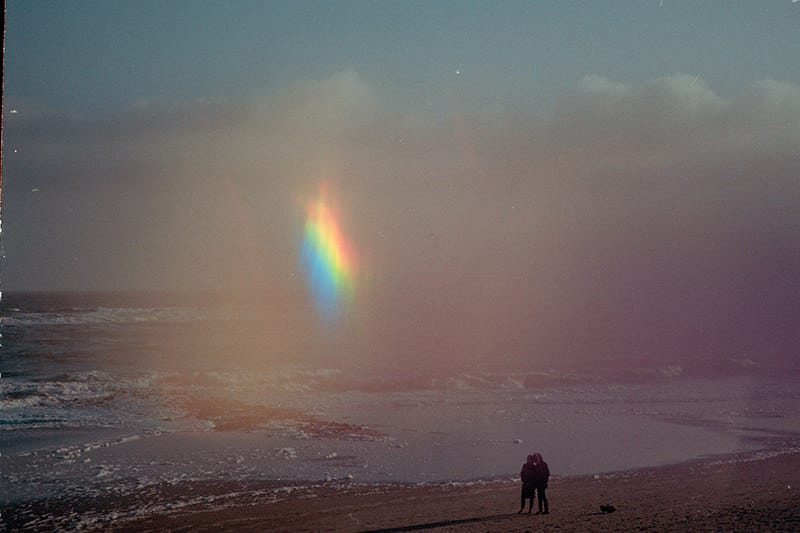
Yes. Sometimes I wish I could immerse myself in my pictures and blur into them. Maybe that is what happens when I die: I get to choose a picture, disappear into it and blur with its aura. And yes, the world often over-stimulates me and I need a lot of time to recover. Diving into images is one of the ways I draw new strength. After exhausting days I sit for hours looking at pictures by other photographers, which sets something off in me and lets me come down. I love plunging into life, but what I have lived only gains value for me once I have had time to process it. That takes time, rest and being alone. Keeping the balance between experiencing and processing is not easy.
Where are you now with your work?
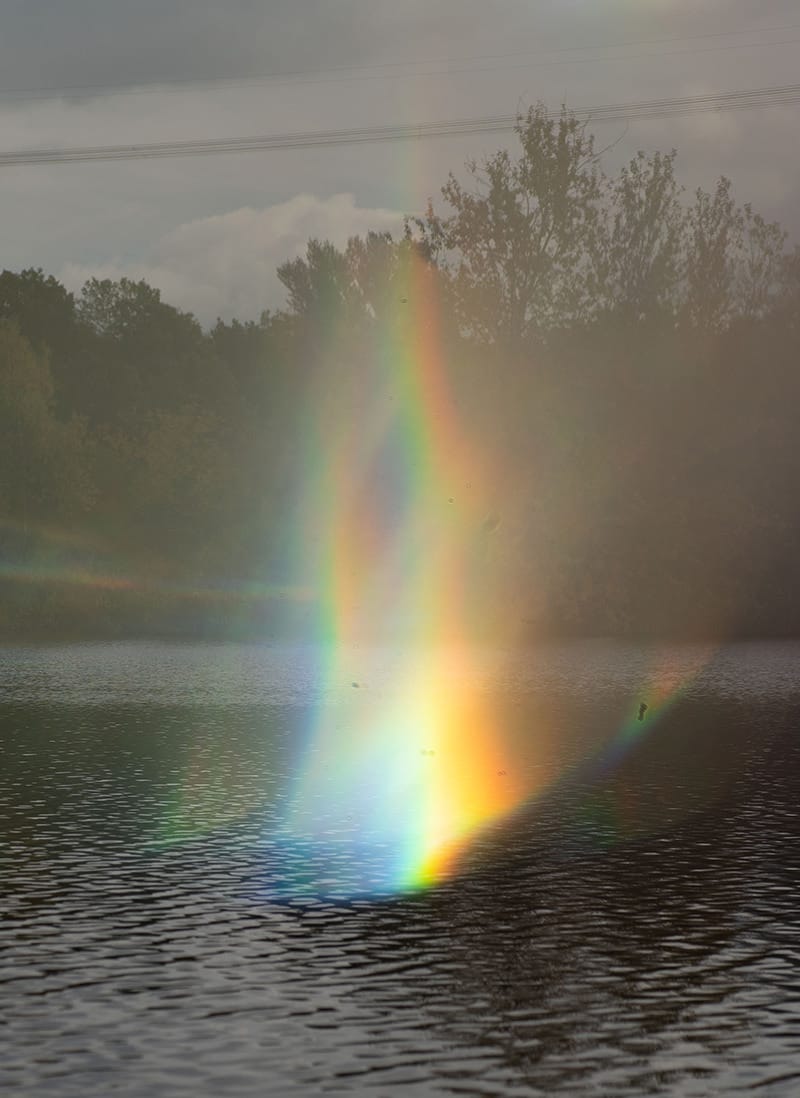
I don’t quite know where I’m heading yet, but something new is emerging. It’s still forming. The feeling is already there; it just isn’t tangible yet.
Pick one photograph and tell us what’s behind it.
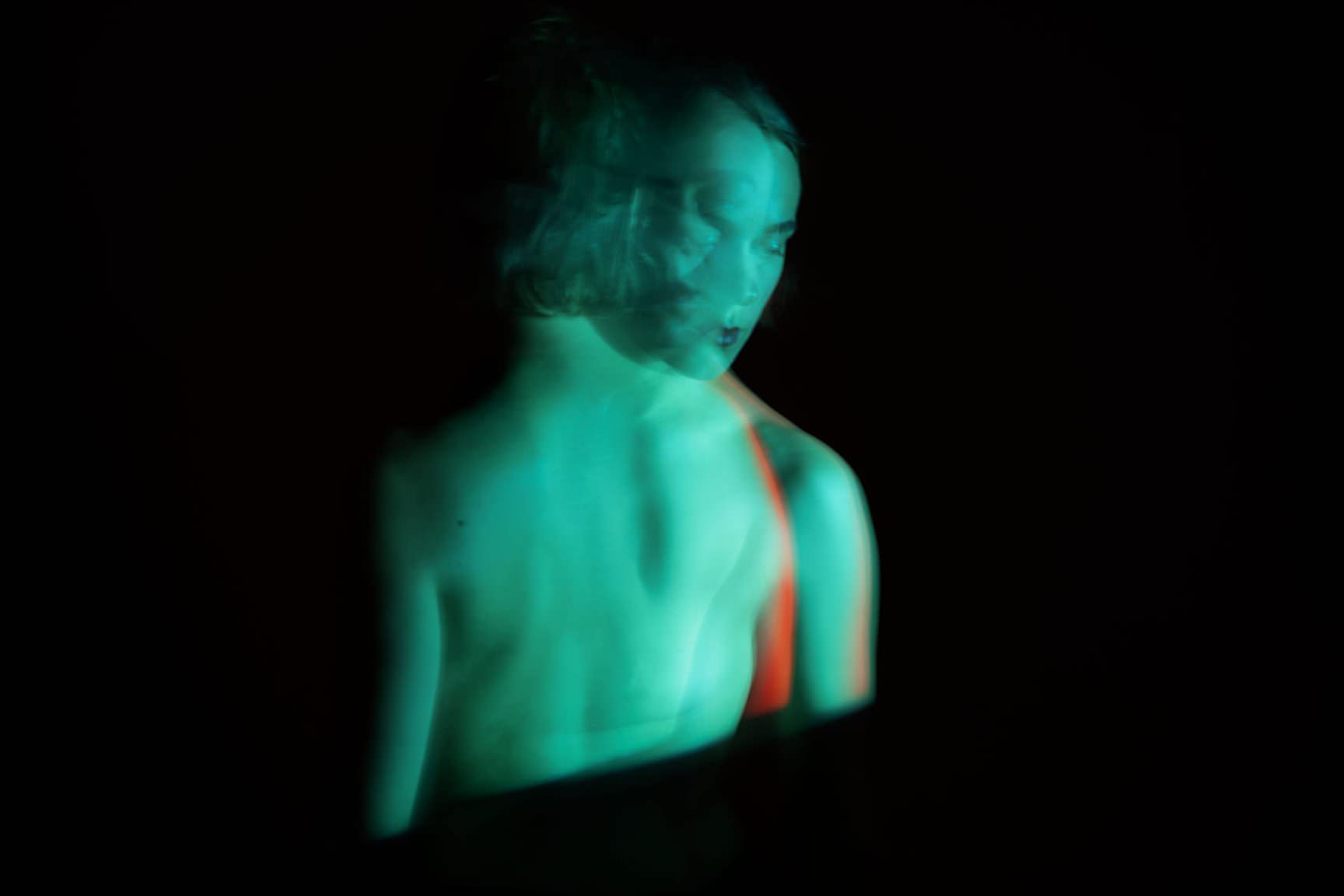
It’s a self-portrait. It expresses the conflict between closeness and distance that I so often find myself in.
What’s next?
My life is changing a great deal right now, and I find that good and interesting. I’m curious about what’s coming, and I let myself be surprised by my emotions and by photography.