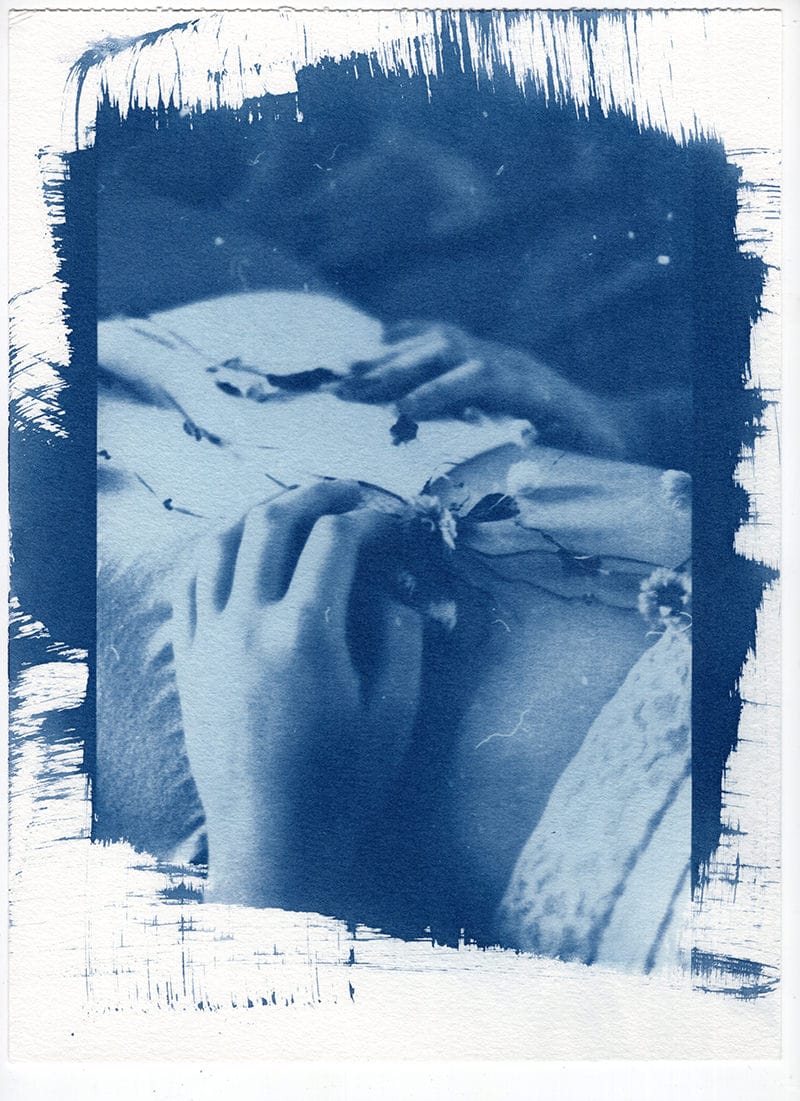
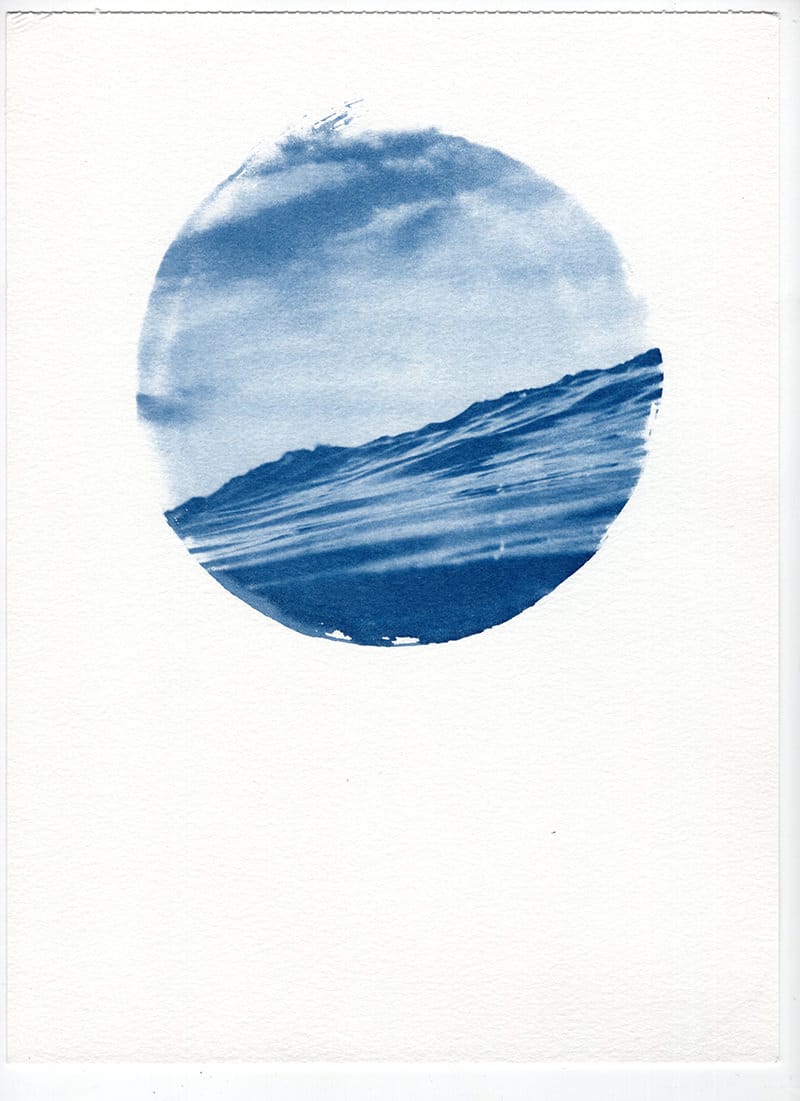
Photographs the Canary Islands between surf and volcano, and films the process for YouTube.
Where are you from, and when did you start photographing?
I’m 26 and I live in Tenerife, though I spent a while in Madrid studying photography at EFTI.
I started with my father’s analogue camera. He had photo albums and memories of his youth, and that was the trigger. But I really began when I moved to Madrid in 2013, after breaking up with my partner. I had more time and wanted to distract myself, so I started going out to take photos. I was studying architecture then, and I used to photograph buildings. After that I opened an Instagram account to show what I was doing, and that gave me the motivation to keep going.
Are you still studying architecture?
No. I liked it, but it wasn’t my thing, so I left. At that point I was going out to shoot a lot, and I was even working in Madrid as a wedding photographer. That’s when I started thinking photography might be the better option. Right now I’m studying animation.
You are also known for your YouTube channel. How did that start?
Casey Neistat influenced me a lot back then; I felt like I wanted to do that. I also found Negative Feedback, a YouTuber making videos about analogue photography, and I thought I could bring something different — more entertaining, more fun.
At the time I had an income from weddings, and I took advantage of trips to places like Morocco, Lanzarote or the North Pole to upload videos about the travelling and the photography.
It’s something I’m happy about, because the audience keeps growing and they’re excited about it. For me it’s a long-term project: I do get some income, but not enough yet.
Where do you see yourself professionally?
I don’t know whether I’ll end up doing only YouTube or both photography and video. I think creating content can help me learn other things. And it fits the life I want: something I can do anywhere away from home, travelling, surfing.
I do wonder whether this will get anywhere, especially because I’m focusing so much on analogue, which may have a smaller market. But that’s something to think about later; for now I want to keep creating.
Have you never considered photography on its own?
In the past I wouldn’t have minded working as a wedding photographer — in fact I did it for two years. And in the future, maybe I see myself photographing and combining it with creating content.
Your style would sit well in fashion or editorial work.
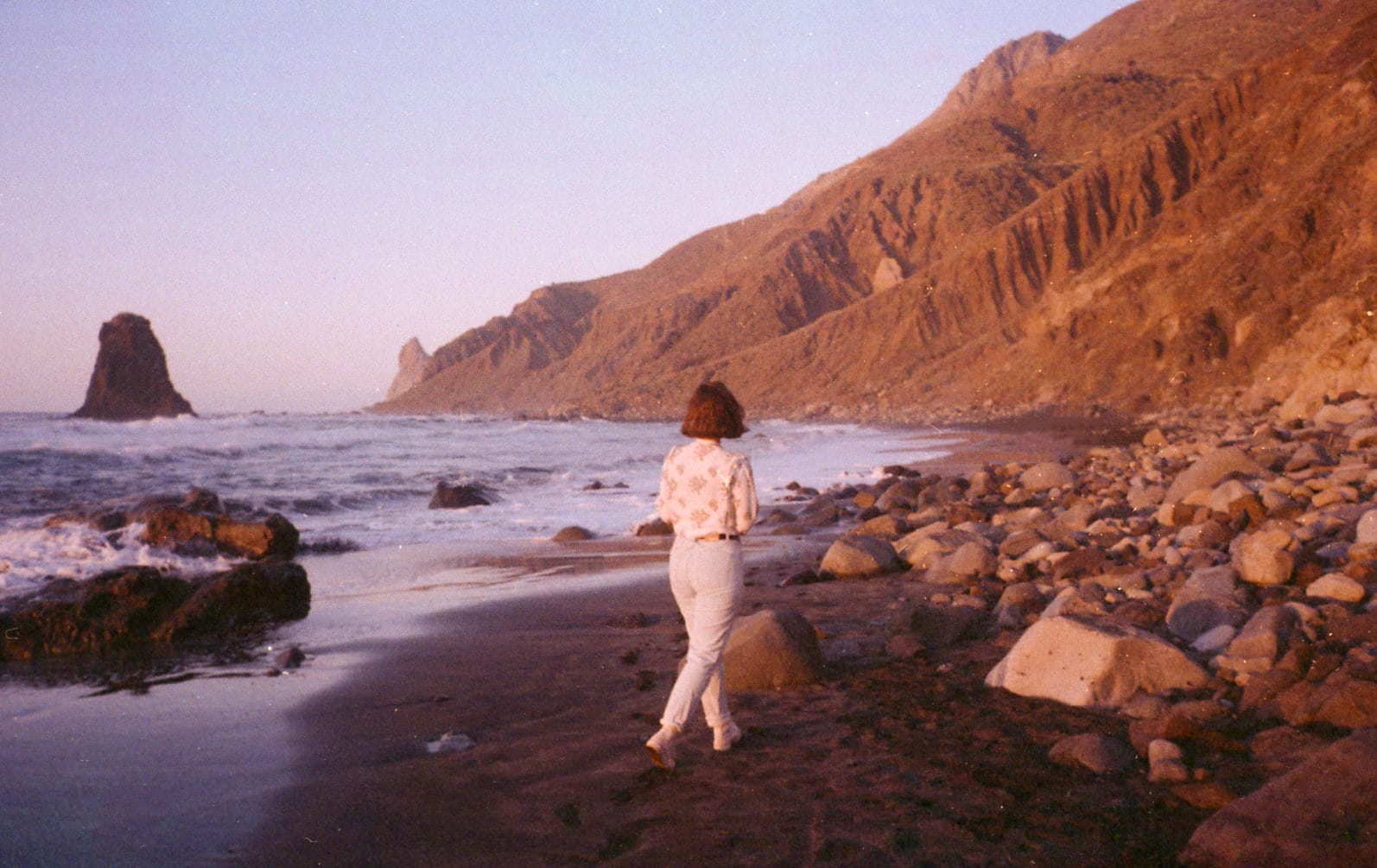
It’s not the first time someone has said that. I like it, but it also scares me a little. A few years ago I had a clearer idea of what I wanted: to make a living from travel photography, or something documentary. I’d see myself more as a travel and nature photographer, something freer, connected to how I live. The fashion world doesn’t appeal to me that much.
Your pictures are mostly landscape. How did the pandemic affect your work?
The lockdown did affect me; I couldn’t do anything. I spent my time playing The Sims or watching series, and then I decided I didn’t want to produce anything at all. Once I could go out a little it stopped affecting me much, because I live very close to nature, near the sea and the mountains, and I could go out whenever I wanted. What I enjoy most now is planning trips into nature, because I’m on my own and can go without a mask. This year I’ve started going everywhere by myself and it makes me happy. The part of my work I can’t do for now is portraits.
Where do you find your references?
There are many: Todd Hido, Gregory Crewdson. Martina Matencio (lalovenenoso) has inspired me a lot. I also like what Coke Bartrina is doing — I love his work and it pushes me to make something more personal. I’m passionate about cinema too, and I keep screenshots of scenes I like on my computer for reference. NOWNESS and IGNANT are good references as well.
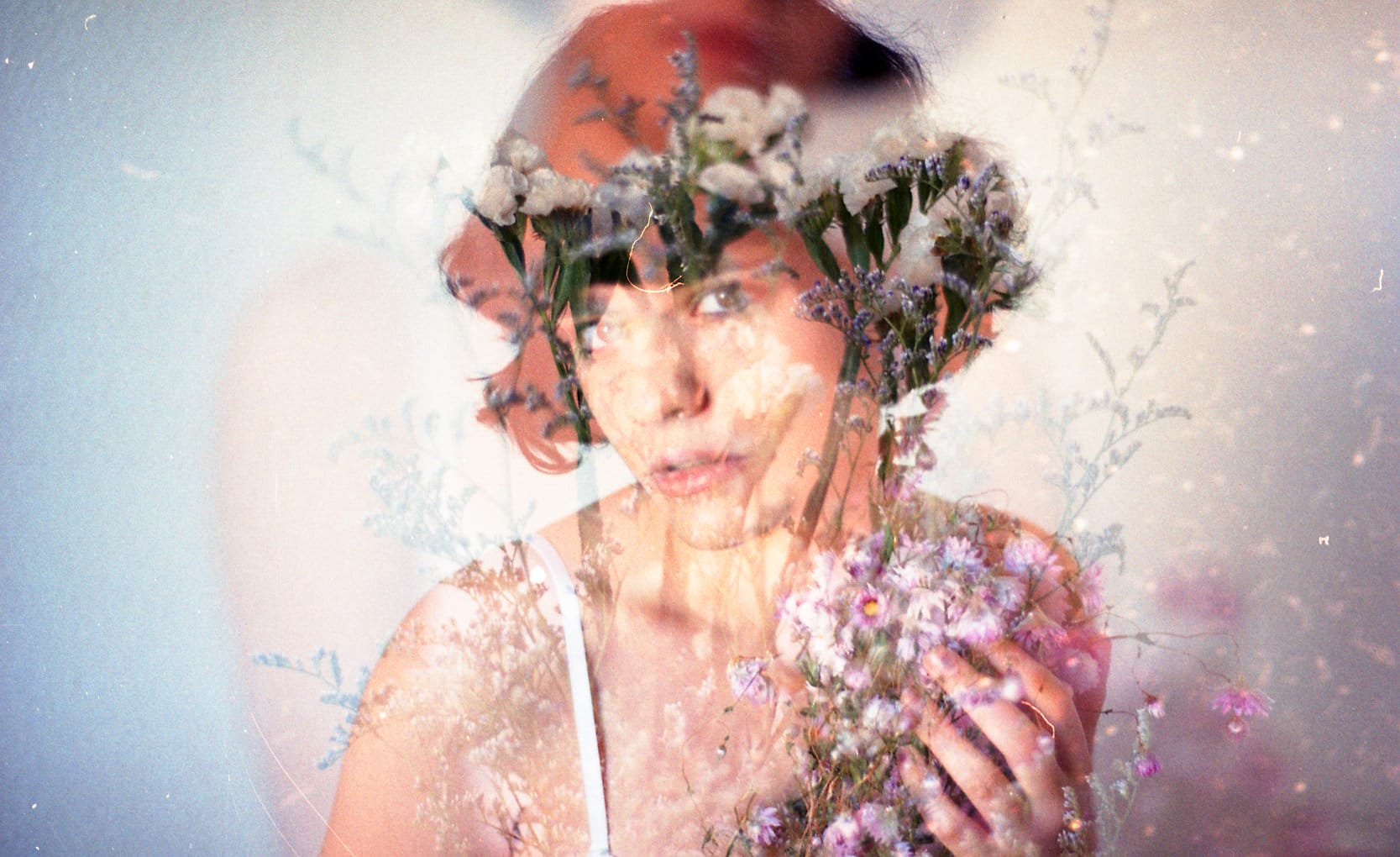
You move between landscape and portrait. Which do you enjoy more?
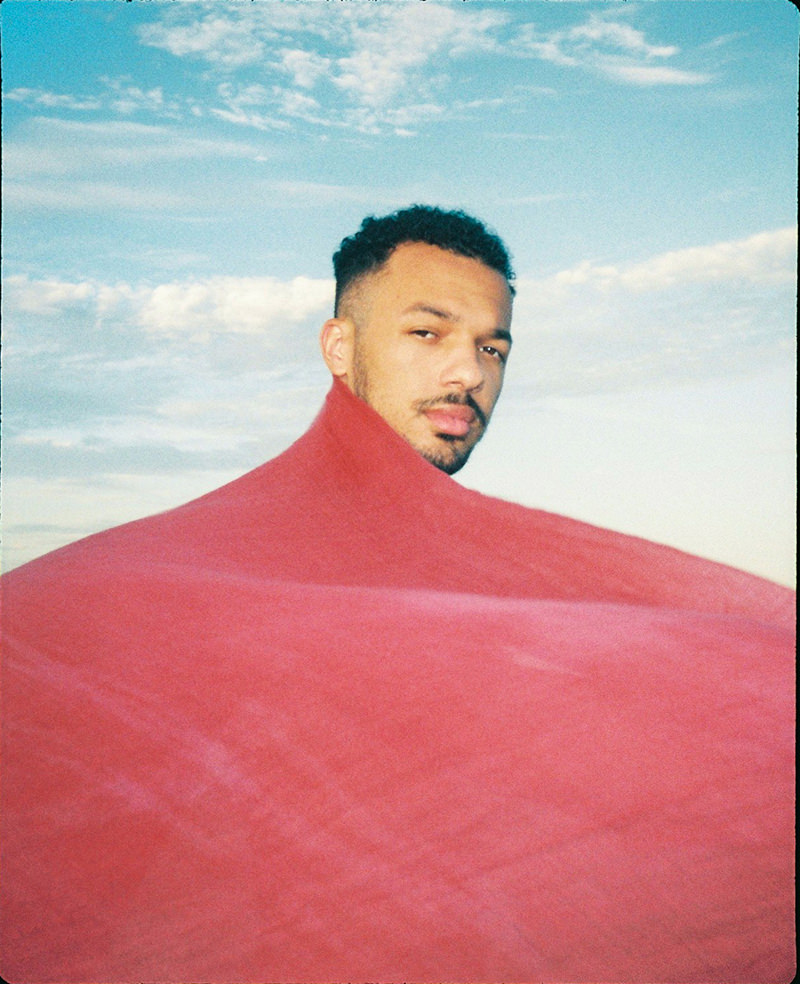
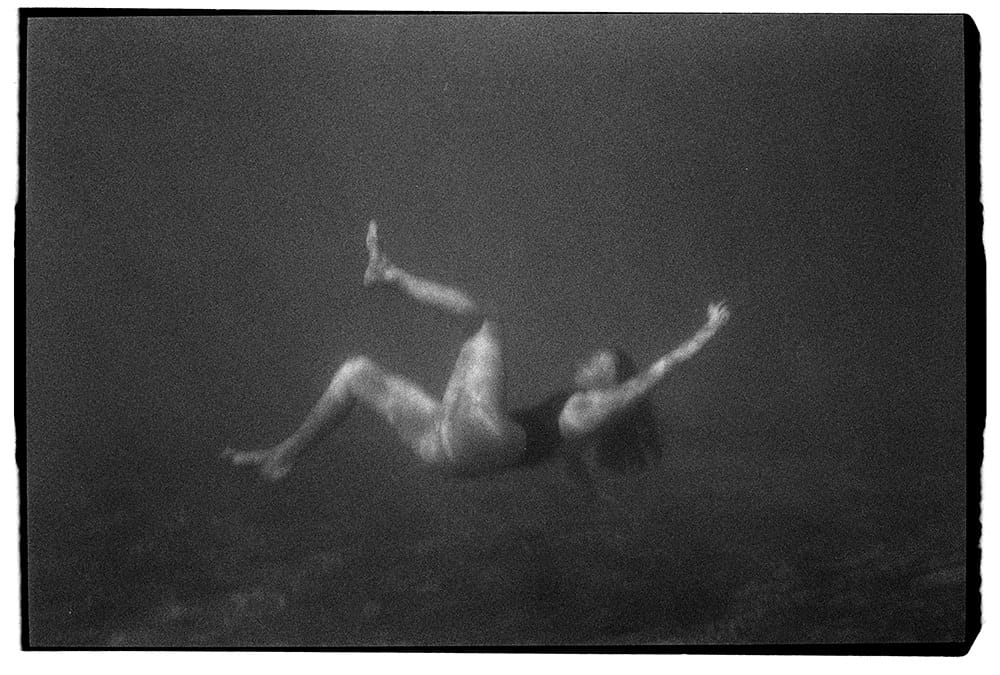
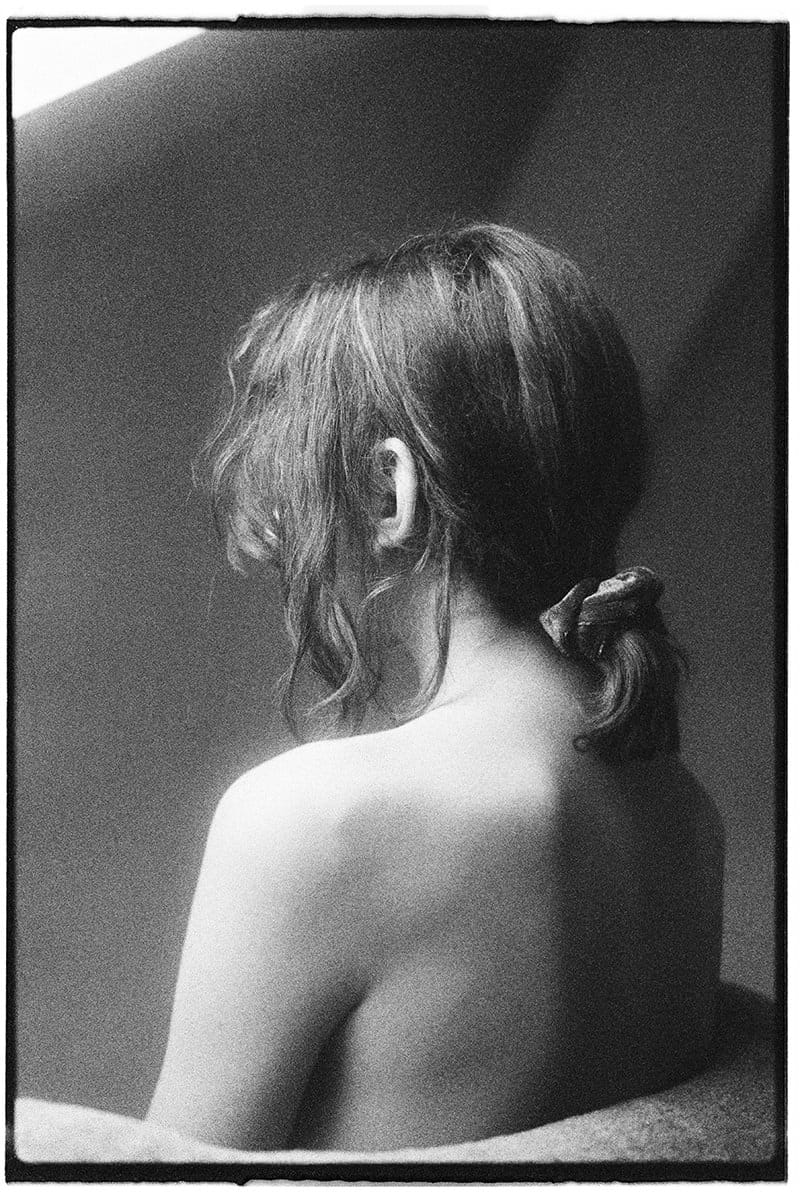
I like shooting portraits a lot, though it can be tricky when I don’t know the person. I find motivation in photographing people who tell me something, or who want to be photographed, when there’s a sense that something more is going on. Interesting people, and everyday situations too: someone working in a studio, someone making something.
What makes you go out and shoot?
My main motivation is to create memories. Lately I see photography more as a way of bonding with people: when I love someone, or feel something for them, or simply when I’m enjoying a particular moment.
A photo of a beautiful landscape or a sunset won’t be any different from anyone else’s, and that’s why I prefer to film and shoot these things with a context, with some kind of weight behind them. I also enjoy it because you can relax and let yourself go for a while.
How do you feel creatively? Has Instagram changed the way you take photographs?
Honestly, I think I’m a bit stuck right now. I keep photographing what I’m doing, but in a more conventional way.
I’m not conditioned while I work: when I see something that interests me, I just take the picture. It’s maybe a bit harder to decide what to share, or whether I like it, but I usually end up putting it on Instagram and that’s that.
Do you still shoot digital? What do you like most about film?
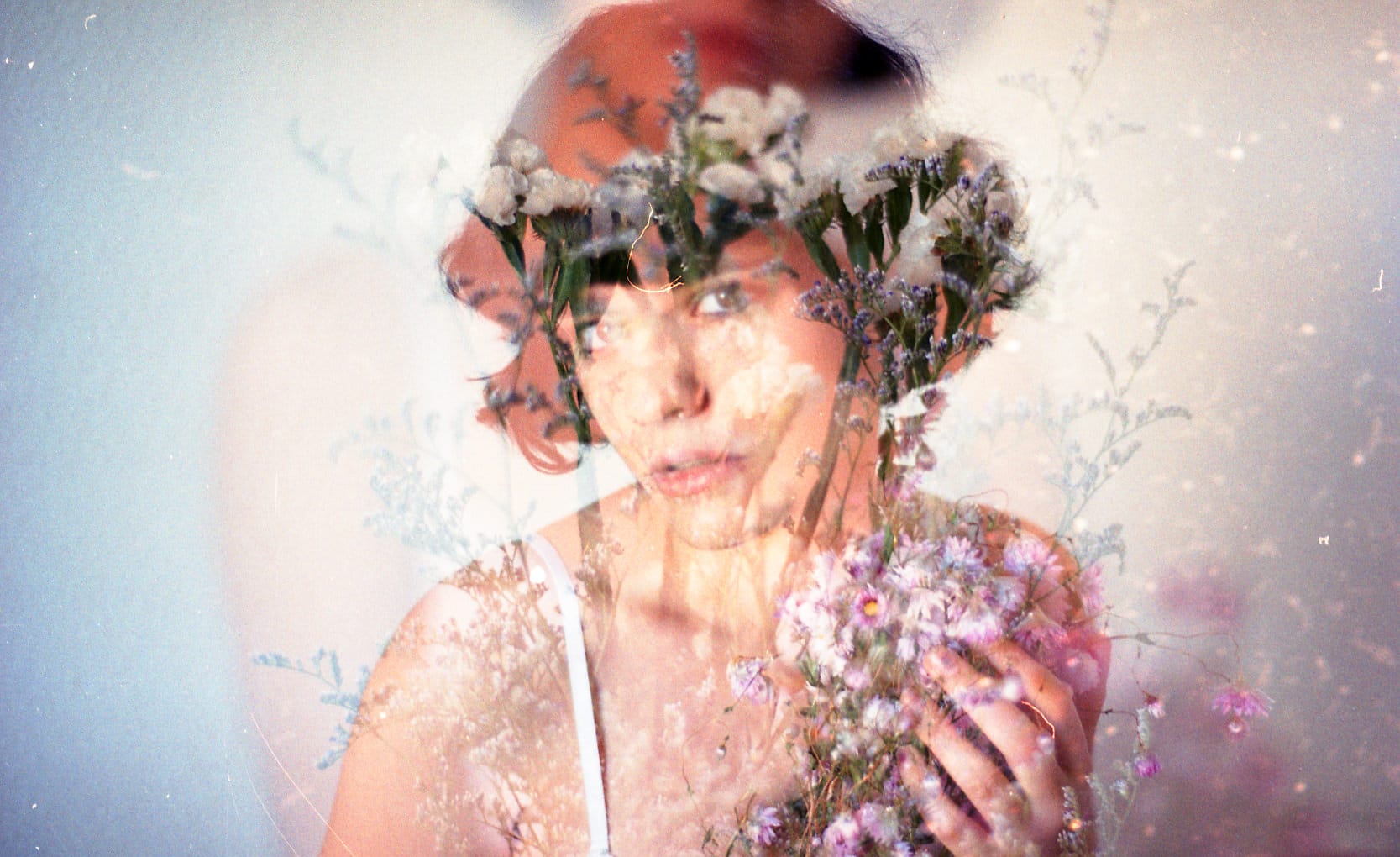
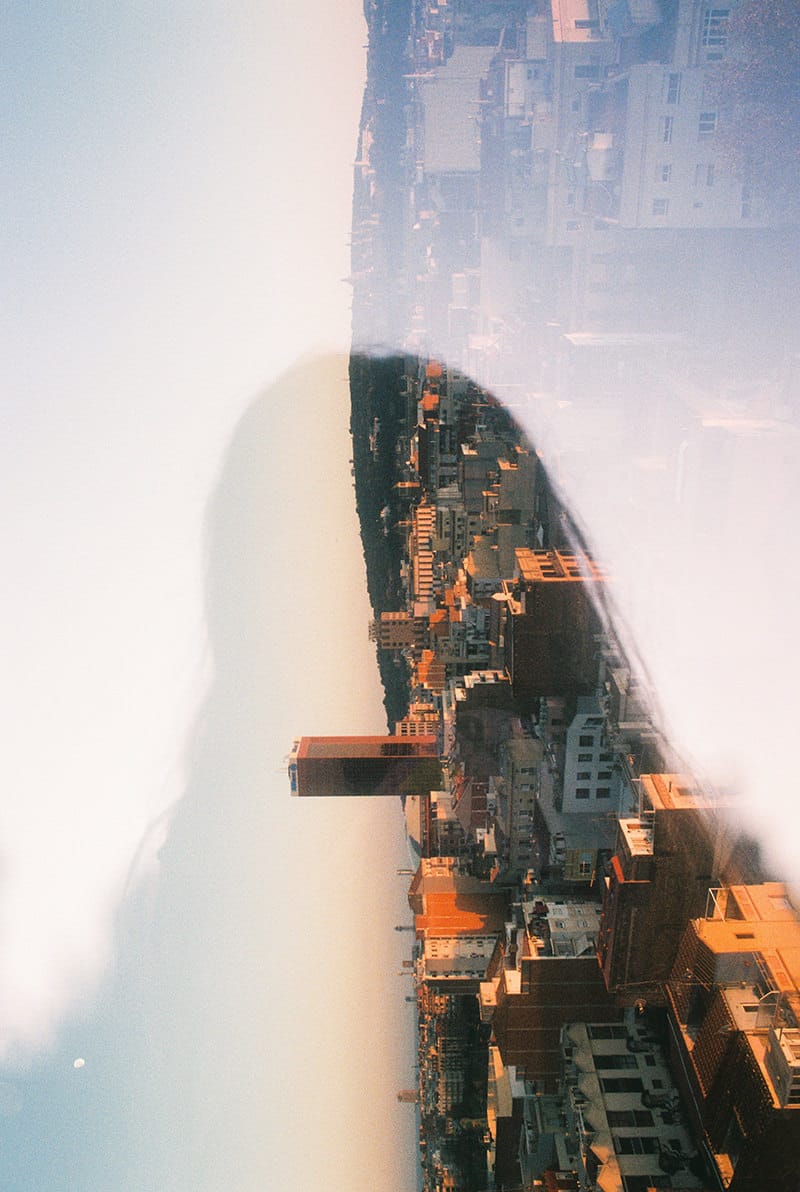
I’ve nothing against digital. I prefer film for personal projects, because you have to approach them differently and think about the process, and that’s a good thing. I like both, and at the end of the day I just like photographing. I love the analogue process: the feel of shooting, the sound, the surprise when the pictures come back from the lab. It’s fun.
What are you working on now?
Personally I feel excellent, and I hadn’t felt like that in a long time. I’ve started surfing a lot again, and going out to any corner of Tenerife surrounded by nature.
Professionally I’m not earning what I earned shooting weddings in Madrid, but I’m happy because I’m doing what I like on YouTube. I also make videos for Patreon. I wish things were easier here; working from the Canary Islands can be complicated. I might go back to Madrid one day, but I would really miss the sea.
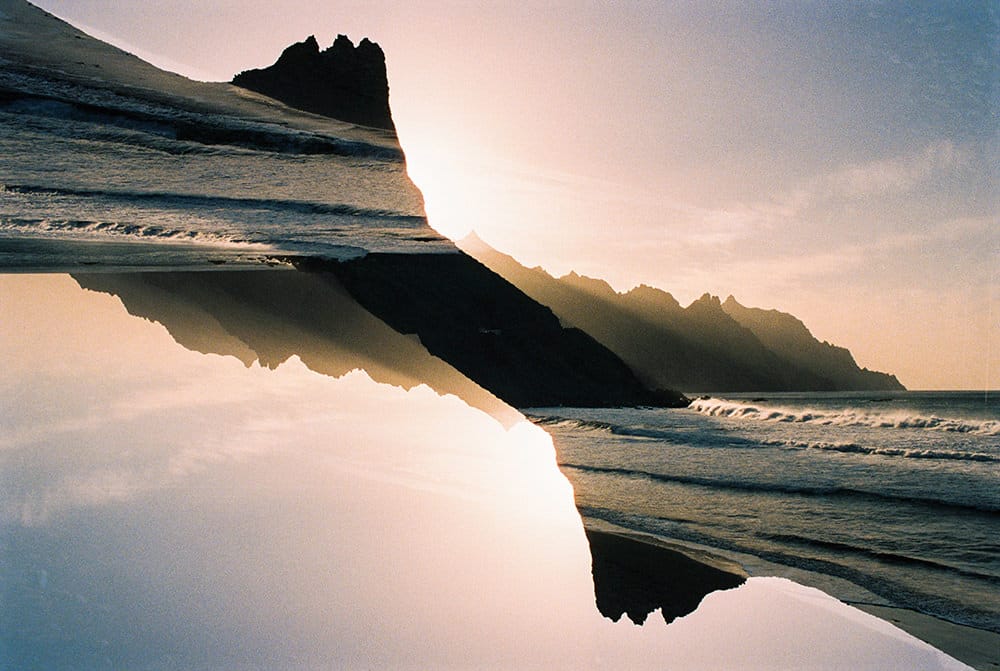
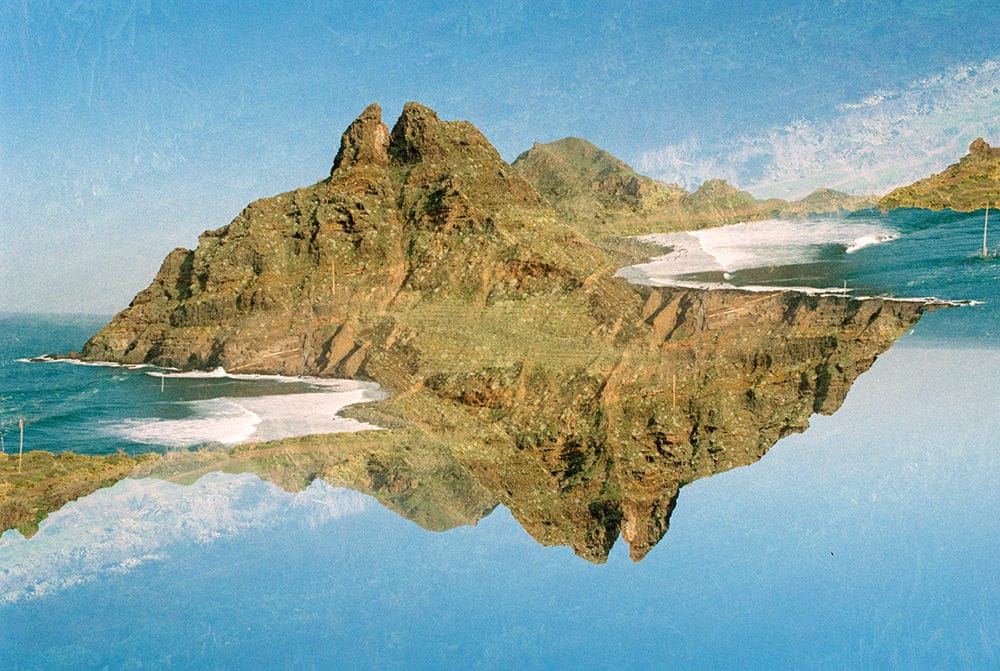
Right now I’m working on a project about the landscape of the Canary Islands, capturing scenes that don’t quite exist, because they are multiple exposures.