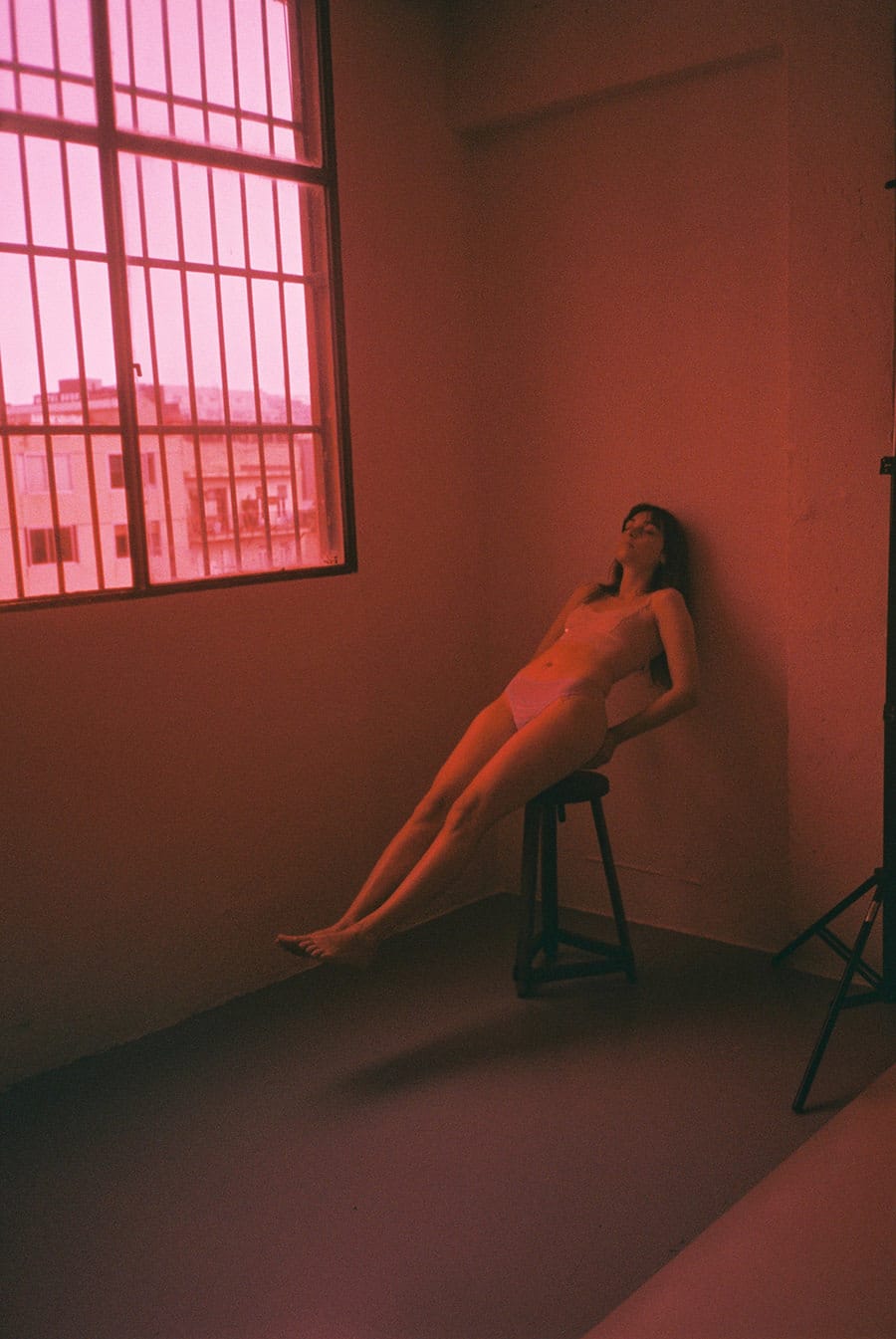
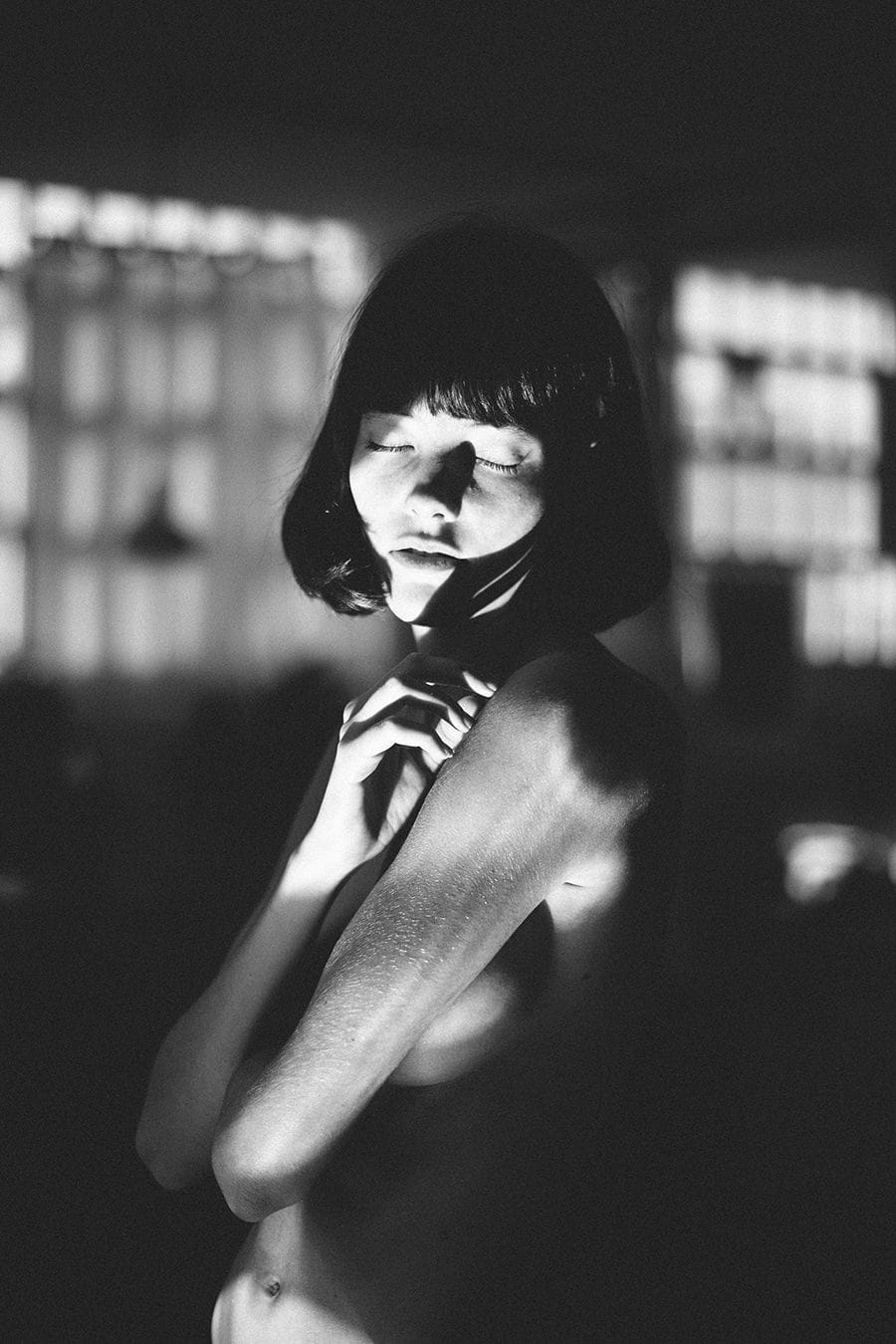
Photographs the female body as an ode to life, and has just turned the camera on her own.
Who are you, and how are you working at the moment?
I’m on holiday on a boat in Ibiza with seven friends, so I can’t say things have been going badly, although the boat is not as idyllic as it sounds. It has its problems, or rather I have mine. Summer is one of my favourite times of the year: the sun, the smell of suncream, being tanned, the sea. I think about it and I smile. It’s also the first time in my life that I have been in love, and that makes me feel life has more meaning. So in general I’m well, happy and eager to create and do things — although, as I wrote in my book, now that I’m in love I feel one life won’t be enough.
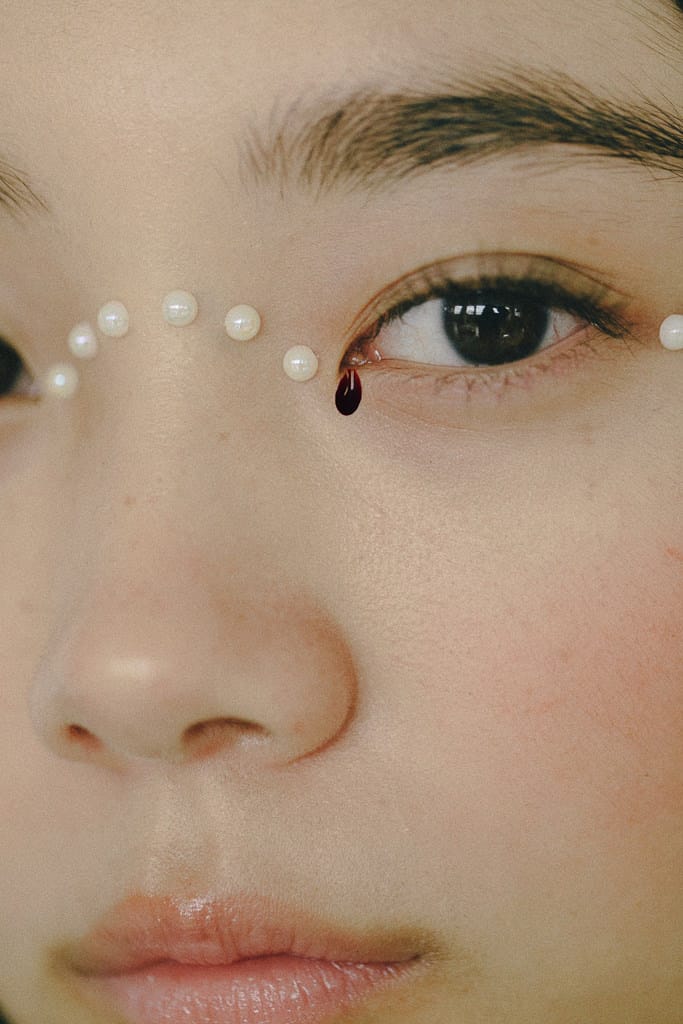
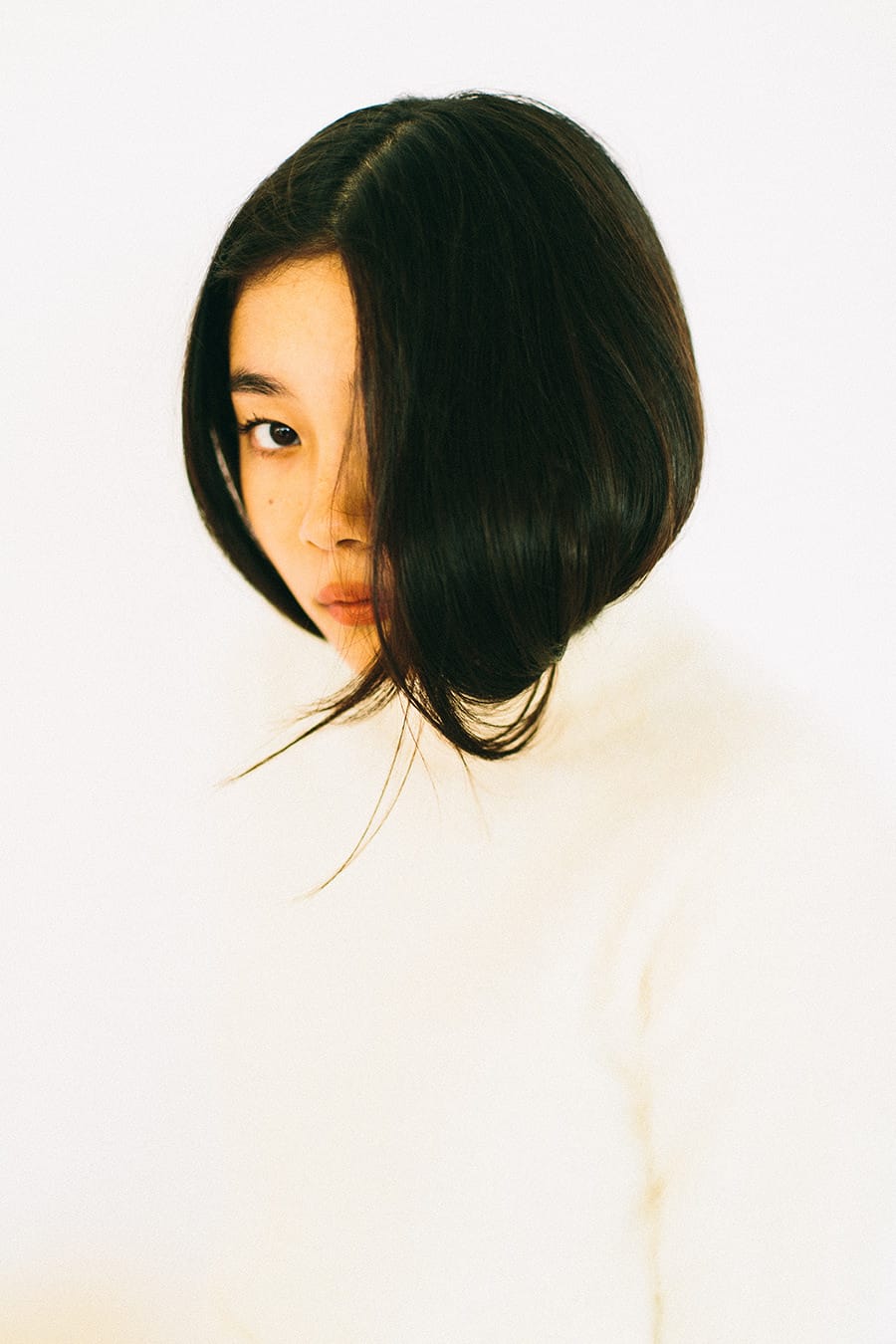
There is an ode to life in your photography. Is that something you set out to say, or does it just happen?
I think it’s both, without my even trying. I always think people like my photos because they have feelings in them, or rather because they are made out of my own feelings, and feelings are something we all have. Everyone carries their own things and takes them however they can and however they want, but for me photography is feeling. It is an ode to life, to my life.
You have recently started sharing more personal photographs. Are you exploring that side of your work now?
Yes. Honestly, it’s the first time I have photographed in such a personal way, but as I said, it’s also the first time I have been in love with someone, so everything comes out organically. I’m happy discovering a world I had never explored before.
I have always been drawn to photographing the female body and, I won’t lie, it fascinates me. It captivates me; I could look at it forever. I have always found the male body more robust, harder, less transparent. In spite of that, love has made me explore every curve of Joan’s body, my partner. I have discovered that I don’t need anything else, because together we are a single photograph, a single landscape, a magical place, an eternal photo.
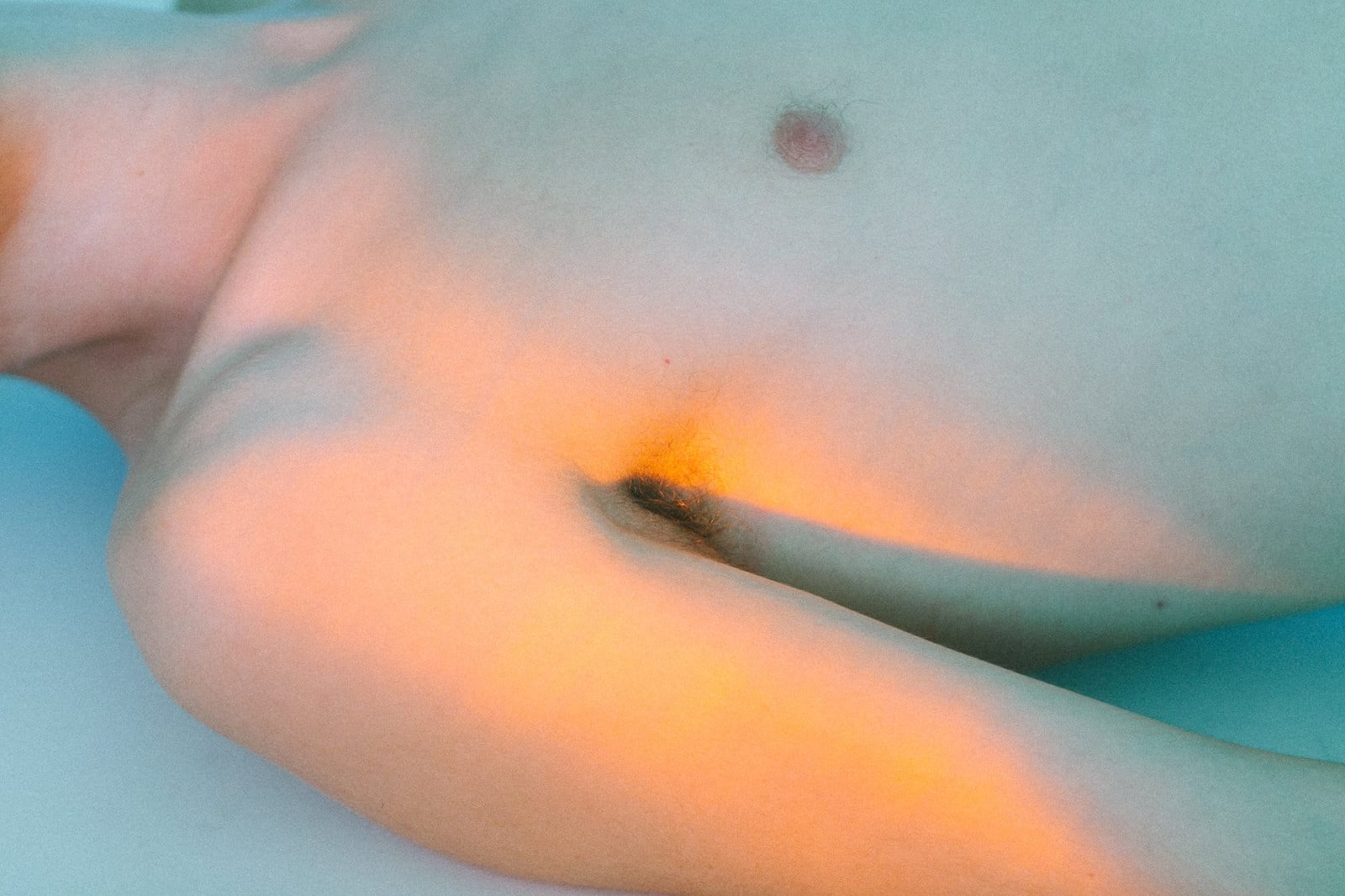
Your photographs pay particular attention to colour. How do you work?
People often say that to me, and they pay close attention to the colours in my photographs, but I don’t do anything special. I edit them the way I like and I don’t give it too much thought. I know what colour to add, what filter to use, how much contrast to apply and how much brightness to take away. I have a feel for it, and that’s how I work. I suppose I trust my own way of looking.
You mostly photograph women. Do you think about the way you show their bodies?
I don’t worry about it. I photograph what I feel, what I see, what I want at that moment, what I like. Sometimes I feel I’m photographing myself, or rather how I would like to be. That’s where I put everything I have inside, because without meaning to I’m projecting myself onto that person. Nobody knows it, not even me.
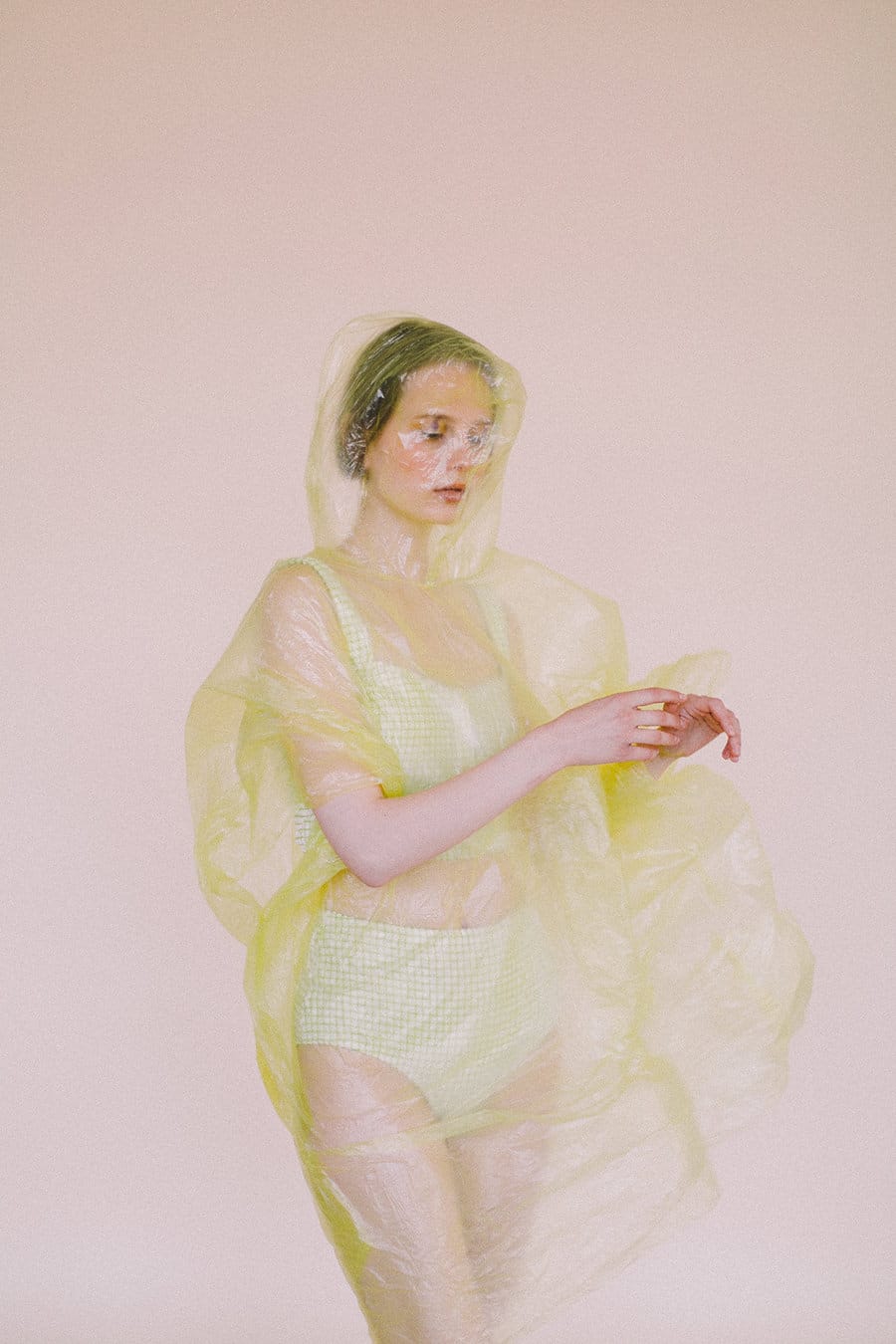
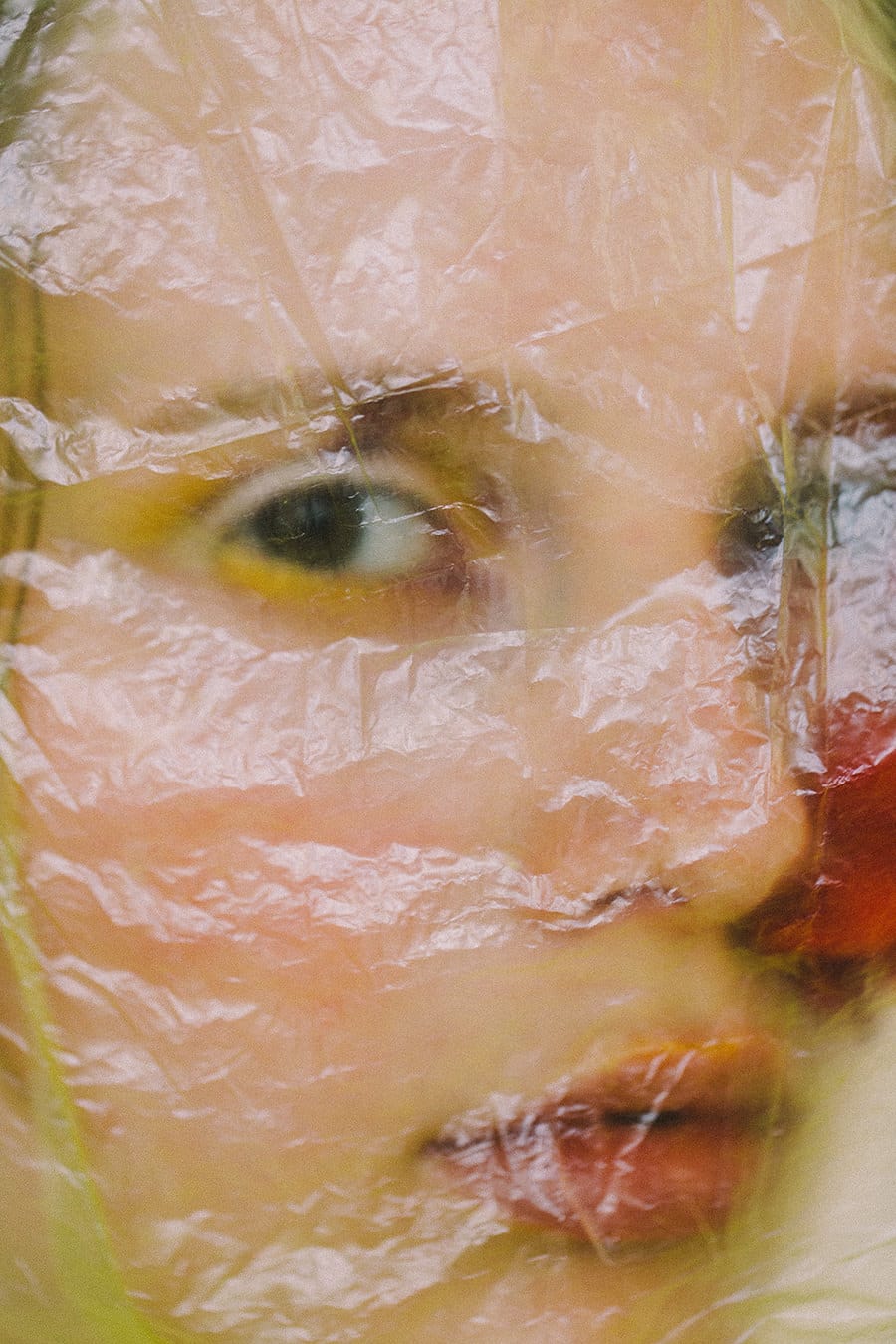
Women photographers were rare for most of the history of photography. What is it like today?
I don’t think it’s easy, but being a woman is difficult in general. I try not to think about it too much or get stuck in the thought. I have been through unpleasant episodes as a woman and it upsets me, but I will not stop; I will carry on doing what I do, which is photography. There will always be people who see women as inferior, but little by little things are changing.
And your strongest work so far?
The promotional photos I did with Netflix for the series The OA. It’s one of the most important jobs I’ve had and I remember it with great affection: the director, the actors, the people on set, everything was wonderful. And whenever I watched the series I always thought there was something in its images that reminded me of my own, and voilà.
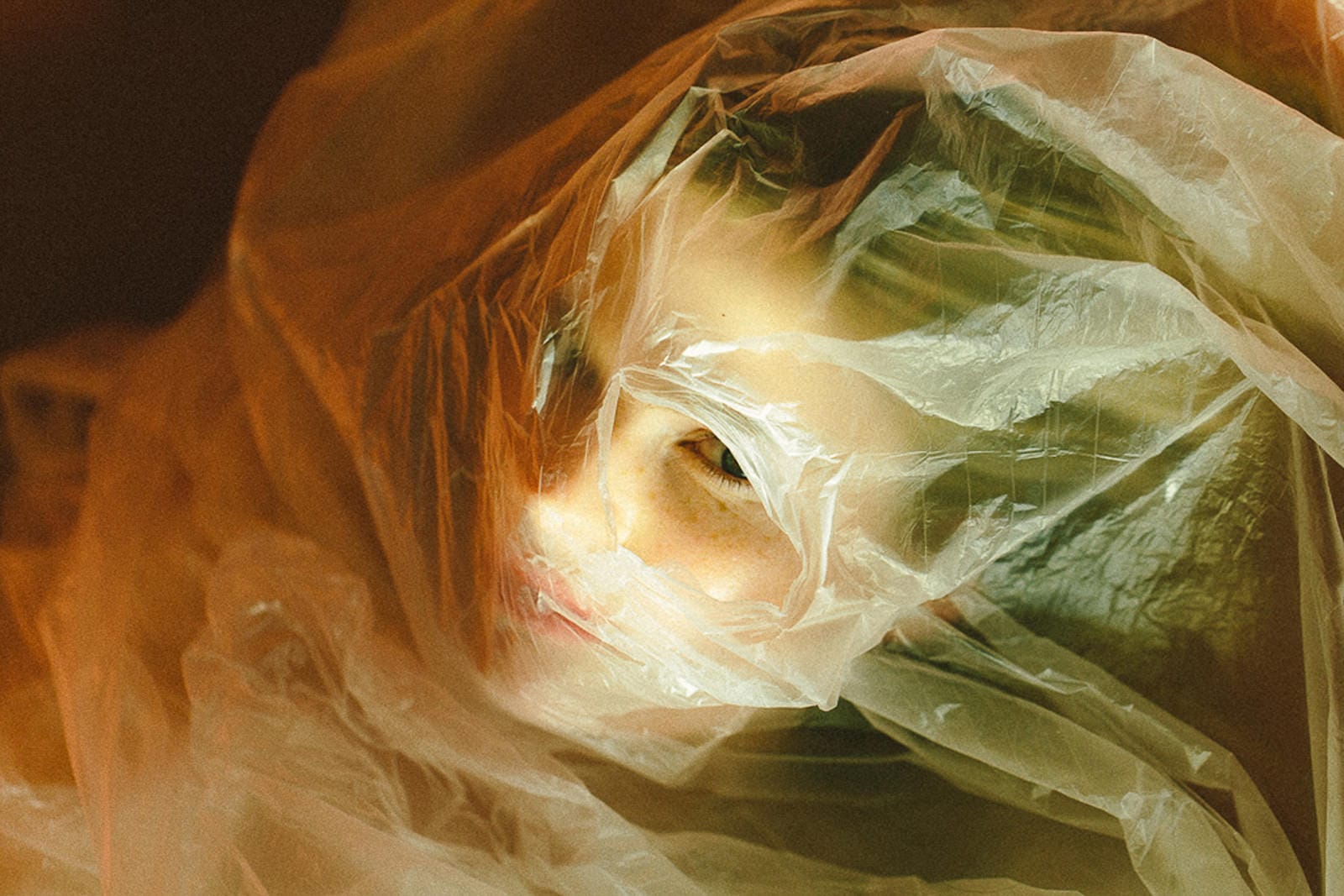
Where does your inspiration come from, and is there a photographer you’d like us to interview?
I think my inspiration comes from suffering. It’s harder for me to create when I feel happy; I always need that drama for my work to flow. It may sound odd, but it’s true. In any case, I’m learning to photograph in other moods, now that I feel happy and in love — although human beings are never perfectly happy all the time. That’s impossible.
The photographer Frank Horvat inspires me, but what really inspires me are films, books and people.
I would like you to interview Pia Riverola.
What’s next?
I have been offered a place in an exhibition in Seoul and I’m very excited, because the theme is love and the pictures are going to be of Joan and me.